Arequipeña Food Identity
UNESCO recognition
Picanterías — Intangible Cultural Heritage
Signature dish
Rocoto relleno
Signature soup
Chupe de camarones
Local drink
Chicha de guiñapo
Local dessert
Queso helado
Main market
Mercado San Camilo
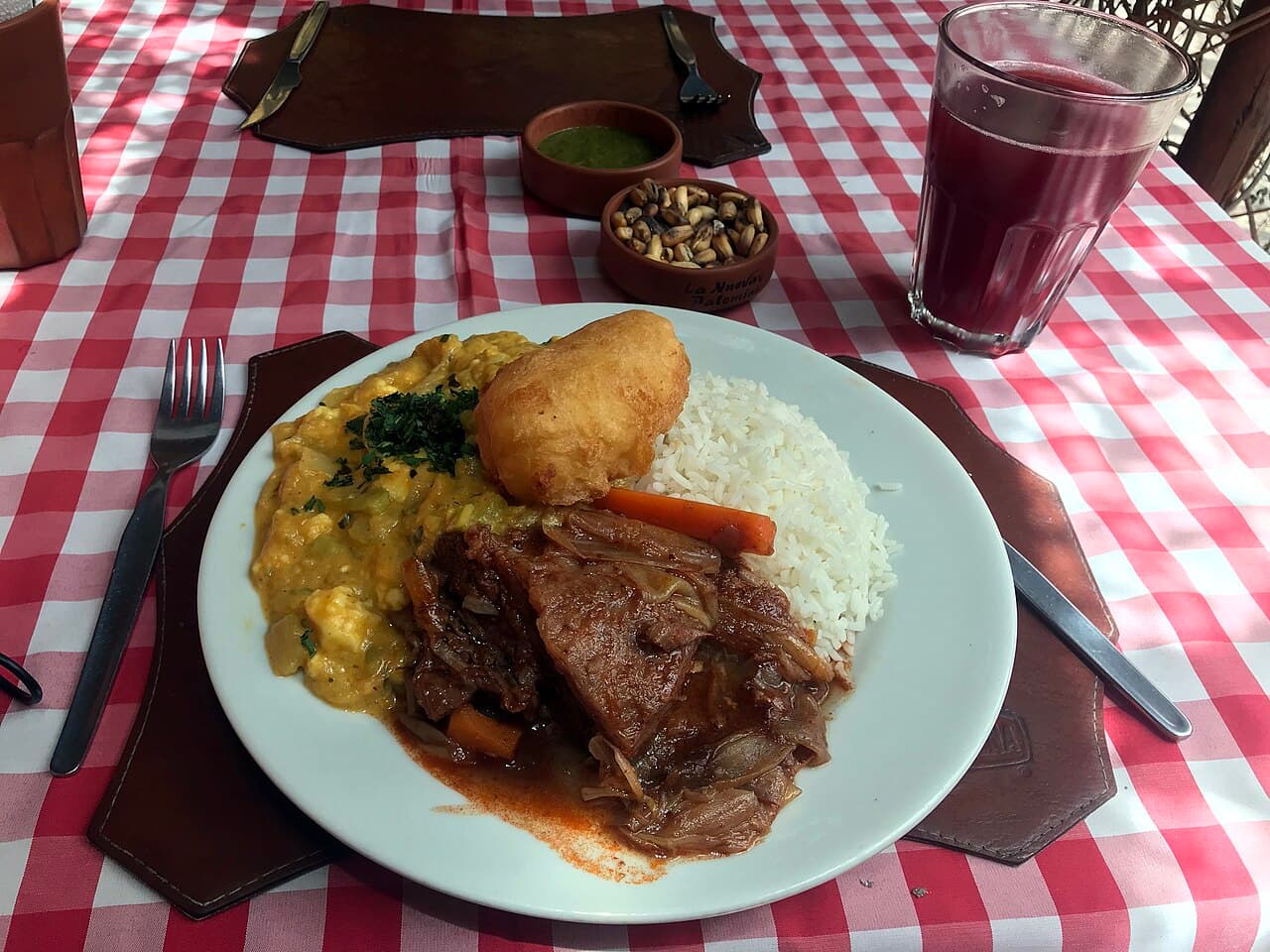
Arequipa's cuisine is not Lima's. Lima has the global recognition, the Michelin attention, the Central and Maido. Arequipa has something Lima's restaurants study and try to reconstruct: an unbroken food tradition rooted in the collision of Spanish colonial and pre-Columbian Andean ingredients, preserved for 400 years in the city's picanterías. Arequipeña cuisine is intensely spiced (rocoto pepper, ají amarillo), structurally rich (cream, eggs, cheese from highland cattle), and utterly specific to place — the shrimp in chupe de camarones come from the Río Chili at the city's edge, the chicha is brewed from a black corn variety (guiñapo) grown only in the Arequipa valley.
The Picantería Tradition
Picanterías only serve at lunch — and only on weekdays
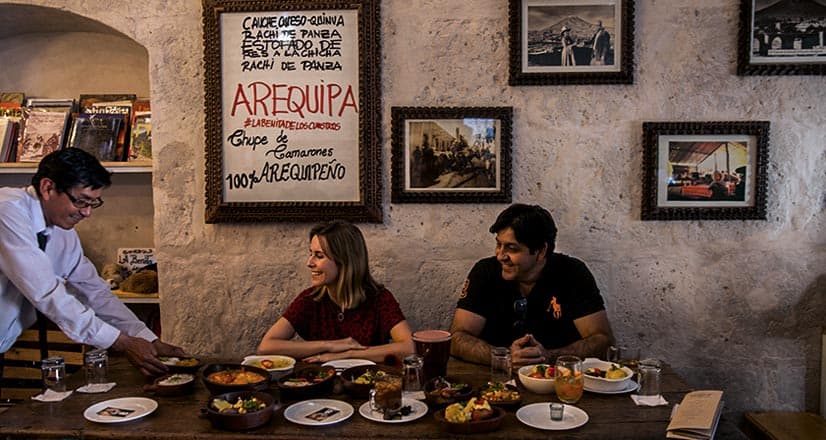
Picanterías are lunch-only institutions. They open around noon and close by 3–4pm. Many are closed on weekends entirely. If you arrive in Arequipa on a Friday afternoon, you'll wait until Monday for the authentic picantería experience. This is not a scheduling quirk — it is the institution. The picantera wakes at 5am to start the caldo, and by 2:30pm the pots are empty. Plan accordingly.
The picantería is the delivery mechanism of Arequipeña cuisine. More than a restaurant type — it's a social institution that UNESCO recognized in 2014 as Intangible Cultural Heritage. The picantera (almost always a woman) serves one menu, at lunch, from what came out of her pots that morning. There is no substitution. You eat what she cooked. This is not pretension; it's honest hospitality that has outlasted every food trend in Lima's history. Picanterías operate Monday to Friday, noon to 3pm. They are found not near the Plaza de Armas but in Sachaca, Tiabaya, Yanahuara's outer streets, and Cayma. Getting there requires intention — and rewards it completely.
Dishes You Must Eat
The rocoto is not just spicy — it's architectural
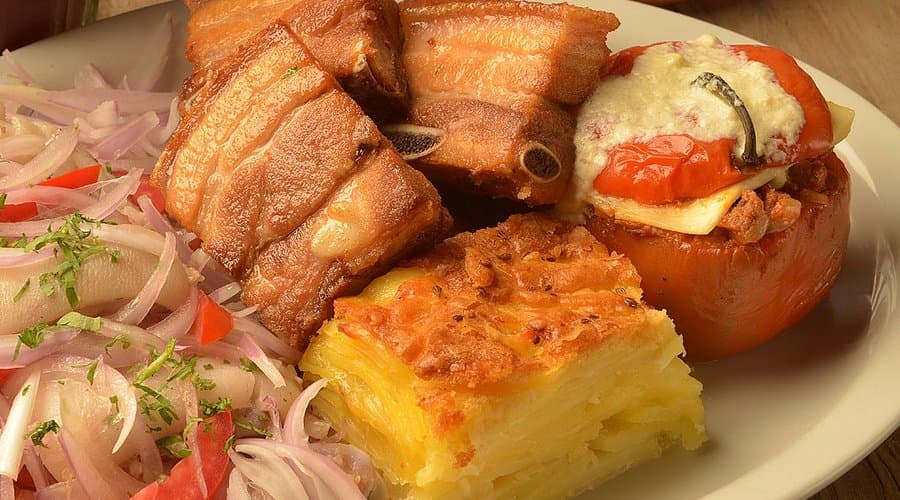
Rocoto relleno is not a recipe that simplifies. It requires a specific variety of rocoto pepper grown in the Arequipa highlands, stuffed with spiced ground beef, raisins, peanuts, and egg, baked in a casserole with milky potato gratin (pastel de papa). Every picantería makes it differently — the stuffing ratio, the soaking time to reduce heat, the cheese on top. Finding your favorite is the assignment. Order it first, always, at any picantería you visit.
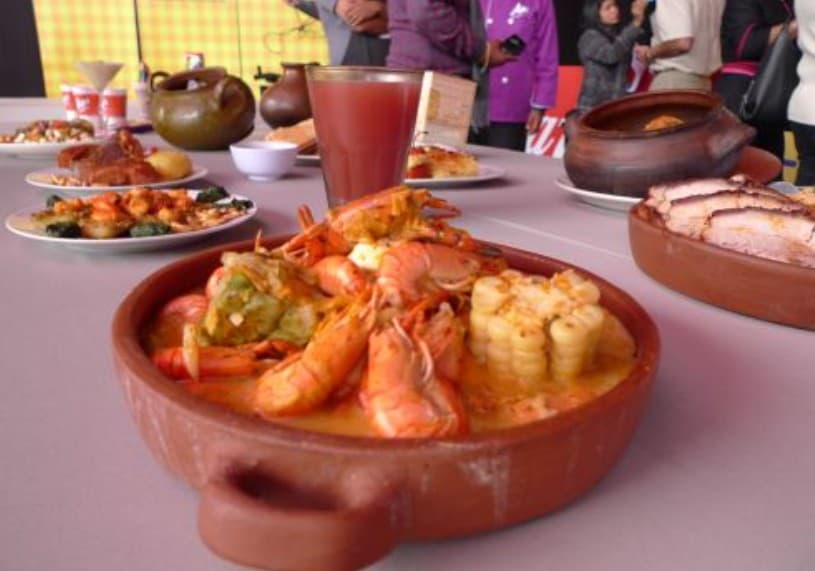
Three dishes define Arequipeña cuisine. Rocoto relleno: a highland pepper stuffed with spiced beef, raisins, peanuts, and egg, baked with potato gratin. Chupe de camarones: a thick cream broth built on ají amarillo and evaporated milk, filled with river shrimp from the Río Chili, potato, corn, fava beans, and egg — served in a clay pot large enough for two. Adobo arequipeño: pork marinated overnight in chicha de guiñapo and ají panca, slow-cooked in its own marinade, eaten on Sunday mornings with pan de tres puntas. These are not dishes you taste once. They are the reason food-focused travelers make Arequipa a destination rather than a transit stop.
Mercado San Camilo
Mercado San Camilo sits in the Historic Center at the intersection of Mercaderes and Piérola. It's open daily from 6am to 6pm and serves as Arequipa's primary food market — where the city shops, not where tourists browse. The produce section runs along Calle Mercaderes; the meat and fish sections are deeper inside. The cheese stalls on the Piérola side carry queso fresco and andino varieties unavailable outside the market. The juice stalls at the entrance open at 6am and serve the best breakfast in the city: fresh-squeezed juice combinations with pan de tres puntas for under S/.10. The prepared food stalls in the back serve full lunches for S/.10–15 — some of the cheapest genuine food in Arequipa.
Modern Restaurants
Arequipa's contemporary restaurant scene adds a modern layer without erasing the traditional one. A new generation of chefs works Arequipeña flavors into contemporary formats — not fusion, but refinement. The rocoto appears as a reduction, the chupe as a consommé, the chicha as a glaze. These restaurants are dinner-focused (picanterías own lunch), price at S/.35–150 per person, and are concentrated in the Historic Center and Yanahuara. The coffee scene is strong: Peruvian single-origin coffee is excellent, and the café culture in Yanahuara is worth exploring alongside the food. Eating well in Arequipa means eating at both the picanterías and the contemporary restaurants — they occupy different times of day and fulfill different purposes.
Chicha & Local Drinks
Chicha de guiñapo is Arequipa's ancestral drink: fermented black corn (guiñapo variety, grown only in the Arequipa valley at 2,000–3,000m), fermented 3–7 days to 1–3% alcohol. The result is dark, slightly sour, earthy, and completely unlike any commercial corn beer. In a picantería, the picantera pours chicha as a welcome — in a small ceramic cuartillo — before you order. Accepting it is the correct response. The same chicha used as a drink is used in the adobo marinade; the fermented acid tenderizes pork while adding flavor. Beyond chicha, Arequipa's café culture serves exceptional single-origin Peruvian coffee. The drinks and the food are not separate categories here — chicha runs through the cuisine from the kitchen to the table.
Where to Eat by Area
Where you eat in Arequipa depends on what you're eating. For picanterías: Sachaca (15 minutes from Yanahuara by taxi, S/.8–12) has the highest concentration, with 8–12 picanterías within walking distance of each other. Tiabaya is more rustic and beloved by Arequipeños who know. Yanahuara's outer streets have picanterías that are slightly more accessible for expats. For contemporary restaurants and cafés: the Historic Center and Yanahuara main streets. For street food: around Mercado San Camilo and the streets leading to the Plaza de Armas (avoid the Plaza itself for eating — tourist-facing pricing). For Sunday adobo: around the Mercado San Camilo area and along Avenida La Marina, early morning, before 11am.
Practical Tips
Lunch (main meal)
12–3pm
Set lunch menu
S/.15–20
Picantería lunch
S/.25–40
Fine dining
S/.80–150 per person
Tipping
Not mandatory; 10% appreciated
Water at picanterías
"agua sin gas hervida"
Arequipa eats at lunch. The main meal is midday; dinner is lighter and less important. Set lunch menus (menú del día) at casual restaurants run S/.15–20 for three courses. A full picantería lunch — chicha, rocoto relleno, chupe, queso helado — costs S/.25–40 per person and is enough food for the day. Contemporary restaurants price at S/.35–60 mid-range, S/.80–150+ for fine dining. Tipping is not mandatory; 10% is appreciated at proper restaurants, not expected at picanterías. At picanterías, ask for "agua sin gas hervida" (boiled still water) rather than bottled — it's how locals drink safely and inexpensively.
Detailed Guides
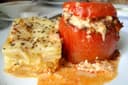
Rocoto Relleno
Arequipa's stuffed spicy pepper — the dish that defines the city's cuisine.
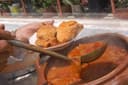
Picanterías
UNESCO Intangible Cultural Heritage. The original Arequipa dining institution.
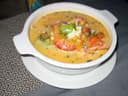
Chupe de Camarones
A river shrimp chowder so good it has its own mythology.
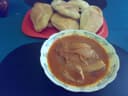
Picantería Guide
A deep guide to 10+ picanterías — who has the best rocoto, adobo, and chupe.
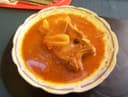
Adobo Arequipeño
The Sunday morning pork stew that Arequipa wakes up to.

Queso Helado
Not cheese, not ice cream — Arequipa's unique frozen cinnamon milk dessert.
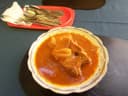
Best Restaurants
From traditional picanterías to contemporary Arequipa dining.
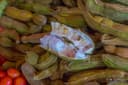
Mercado San Camilo
The historic market at the heart of Arequipa's food culture.
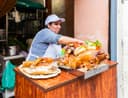
Street Food
What to eat on the street, in the market stalls, and at the food courts.
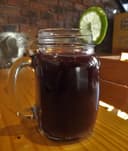
Chicha de Guiñapo
Arequipa's fermented black corn drink — pre-Columbian, unique to the region.