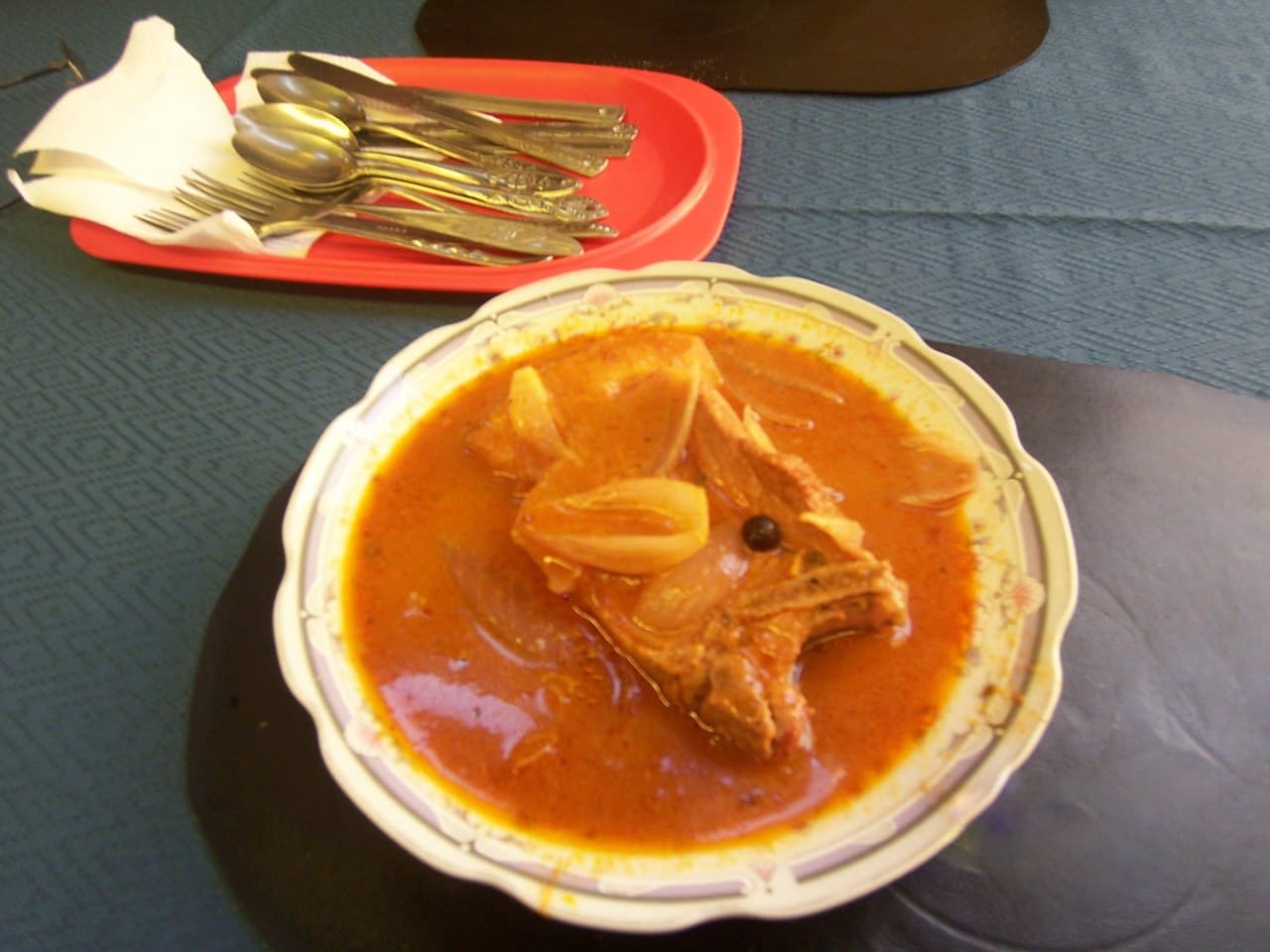
Arequipa's food scene does not resemble any other city in Peru. It has two halves that do not compete because they operate at different times of day: the picanterías, lunch institutions that have existed for centuries, and contemporary restaurants that cover midday through late evening with printed menus and wine lists. Understanding this division is understanding how to eat well in Arequipa.
How Arequipa's Restaurant Scene Divides
Arequipa's dining landscape splits cleanly into two categories that don't compete because they operate at different times. Traditional: the picanterías, lunch-only, Monday to Friday, noon to 3pm, no printed menus, determined by what was cooked that morning. Cash only. Located outside the tourist zone. These are the most important restaurants in the city. Contemporary: restaurants that serve from noon to late evening, have printed menus, accept cards, and offer a wider range of preparation styles. They are concentrated in the Historic Center and Yanahuara. The contemporary scene ranges from S/.35 mid-range to S/.150+ fine dining. International cuisine exists but is limited in quality — Arequipa is not a city where you eat sushi or pasta at the highest level. You eat Peruvian food at the highest level, and at the lowest level, and at every level in between. Plan accordingly.
Contemporary Arequipeña Cuisine
A new generation of Arequipa chefs is working with local ingredients in contemporary formats. The best of them are not doing fusion — they're doing refinement. The rocoto pepper appears as a reduction. The chupe de camarones becomes a consommé. Chicha de guiñapo is used as a glaze or a broth base. Andean tubers that picanterías use boiled are dehydrated, fried, and reconsidered. These restaurants are interesting precisely because they don't try to replace the picantería — they exist in conversation with it. The best contemporary Arequipa dining acknowledges that the picantería figured out Arequipeña cuisine 400 years ago, and works from that foundation rather than against it. For current recommendations in this category, the expat Facebook groups for Arequipa are the most reliable and up-to-date source — the scene changes faster than any published guide can track.
Mid-Range Restaurants
The S/.35–60 per person range is where most of Arequipa's best non-picantería food sits. This tier covers restaurants with professional service, printed menus, a reasonable wine and beer selection, and consistent kitchen standards. The Historic Center has several strong options within walking distance of the Plaza de Armas — though the restaurants immediately on the plaza tend to be tourist-oriented and mid-quality. Two to three blocks from the plaza, in any direction, the quality improves and the prices moderate. Yanahuara has a cluster of mid-range restaurants that are reliable for both Peruvian food and the city's stronger café culture. At this price point, expect solid renditions of Peruvian classics: ceviche (coastal, not local), lomo saltado, arroz con leche, and often a selection of Arequipeña dishes without the picantería's strict lunch-only limitation.
Fine Dining
A small number of restaurants in the Historic Center operate at S/.80–150+ per person. Quality at this level varies more than the price suggests — Arequipa's fine dining scene is smaller and less consistent than Lima's. The most reliable approach: ask the current expat community which fine dining restaurants they recommend. The community has strong opinions, updates recommendations as new places open and old ones decline, and will tell you honestly which places are worth the price point. Weekend reservations are recommended for any restaurant at this tier. Dress code is smart casual; Arequipeños dress up for dinner at fine dining restaurants. Wine lists feature both Peruvian and Chilean selections; the Peruvian wines are increasingly worth ordering.
International Food
International food in Arequipa is limited in quality compared to what you'd find in Lima. Japanese cuisine (sushi, primarily) is popular with Peruvians and available throughout the city; the quality is acceptable but not the focus. Italian food (pizza, pasta) exists at tourist-oriented prices near the Historic Center. There are hamburger restaurants and fast-food equivalents. None of these are reasons to be in Arequipa. The city excels at what it has been doing for 400 years: Arequipeña cuisine, with its specific ingredients, its specific preparation traditions, and its picanterías that have outlasted every food trend. Eating international food in Arequipa is a choice to ignore the best food in Peru. Make this choice knowingly, if at all.
The Coffee Scene
Arequipa's café culture is genuine and worth exploring alongside the food. Peru produces excellent single-origin coffee (the highest-altitude growing regions produce beans with notable complexity), and Arequipa has a café scene that takes the local product seriously. Yanahuara's main strip has several cafés that serve properly prepared espresso drinks alongside Arequipeña pastries and light meals. The café scene is where Arequipeños work, socialize, and extend the afternoon after picanterías close. For the food-focused traveler, the best combination: picantería lunch until 2pm, long coffee at a Yanahuara café in the afternoon, contemporary restaurant for dinner. This covers all three tiers of Arequipa's food culture in a single day.
Peruvian cuisine
Picanterías + contemporary
Fine dining
S/.80–150+ per person
Mid-range
S/.35–60 per person
Reservations
Recommended on weekends
Best areas
Historic Center, Yanahuara
International cuisine
Limited — Arequipa eats Peruvian
Eat traditional at lunch, contemporary at dinner
The optimal Arequipa food strategy: picantería for lunch (noon–2pm, cash, no menu, everything fresh), contemporary restaurant for dinner if you want a second outing. The picanterías close by 3pm — they are lunch-only institutions. Evening dining in Arequipa is almost entirely contemporary restaurants and cafés. This division of the day is not a compromise; it's the correct way to experience the full range of Arequipa's food culture.