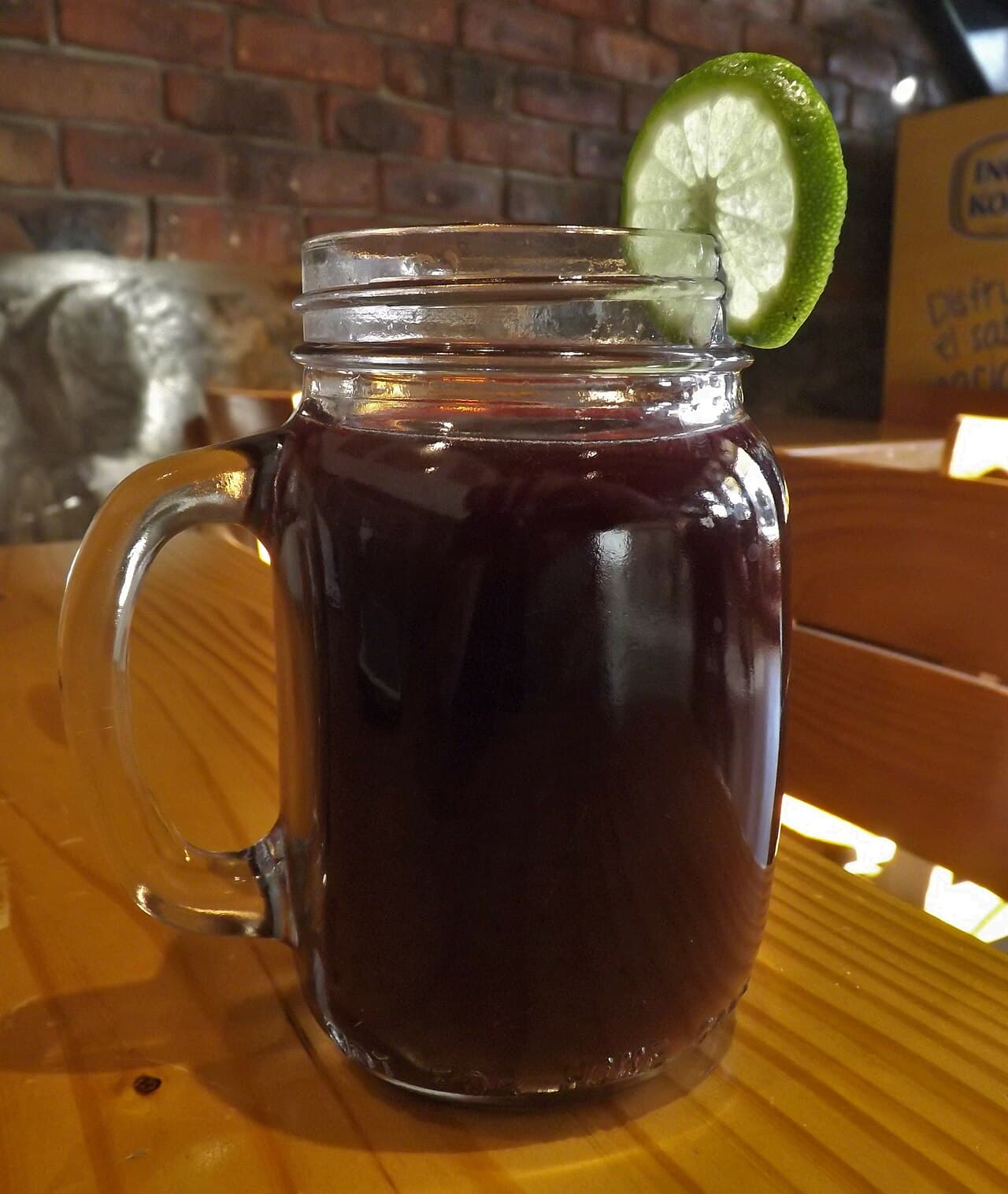
What Chicha de Guiñapo Is
Chicha de guiñapo is Arequipa's ancestral fermented corn drink — and it is distinct from the chicha morada (a non-fermented purple corn beverage drunk throughout Peru) and from the chicha de jora (a different fermented version made from germinated yellow corn, common in northern Peru). Chicha de guiñapo is made from guiñapo: a specific variety of black corn grown in the Arequipa valley, at altitudes between 2,000 and 3,000 meters. The drink is dark, slightly opaque, earthy and sweet with a background sourness from the fermentation. Its alcohol content is low (1–3%), lower than most beers. It is an ancient drink — fermented corn beverages have been made in the Andes for thousands of years — but the Arequipa version is specific to its geography, its corn variety, and its preparation tradition in a way that makes it unreplicable elsewhere.
The Guiñapo Corn
The guiñapo corn is what makes chicha de guiñapo specific to Arequipa. It is a variety of black corn (maíz negro) that grows in the valley formed by the Río Chili and the surrounding terrain at Arequipa's altitude. The same corn does not produce the same drink at lower altitudes or in different soil conditions. The flavor compounds that give chicha de guiñapo its distinctive earthiness — slightly different from any other chicha — come from the combination of the corn variety, the altitude at which it grows, and the water used in fermentation (the same river water that feeds the Río Chili shrimp used in chupe de camarones). The terroir argument for chicha de guiñapo is not metaphorical; the geography is genuinely constitutive of the drink's character.
The Fermentation Process
The traditional chicha de guiñapo production used in picanterías: the guiñapo corn is first germinated (soaked in water until it sprouts, activating the enzymes), then dried slowly. The dried germinated corn is ground into a rough flour, mixed with water, and placed in large clay pots (traditionally called cayanas or fermentation jars). The mixture ferments for 3–7 days, during which the natural sugars convert to mild alcohol and the characteristic acids develop. The fermentation is open — not sealed — allowing ambient yeasts to participate in the process. The result is strained and served. More traditional picanterías make their own chicha de guiñapo in this way; more commercial operations purchase it from specialized producers. The homemade version, always fresh, poured from a clay pot, is categorically different from any commercial bottling.
The Flavor Profile
Chicha de guiñapo is unlike any other drink in the world. The closest analogies fail: it is not beer (no hops, different fermentation), not wine (no grapes, different sugars), not kombucha (different culture, different acidity profile). The closest structural relative is kvass — fermented bread drink — in terms of its low alcohol, grain base, and mild sourness. But chicha de guiñapo has a specific earthiness from the guiñapo corn and a sweetness from the unfermented residual sugars that distinguishes it. It is dark in color (almost black when held up to light), slightly cloudy, and served at room temperature or lightly chilled. The sourness is mild — a background note, not assertive. The sweetness is present but not cloying. It is, above all else, deeply specific to place.
Chicha's Role in the Picantería
Chicha de guiñapo is not an optional addition to the picantería experience — it is structurally part of it. When you sit down, the picantera or her daughter brings chicha before anything else. This is the welcome. In the most traditional picanterías, the chicha is poured into a cuartillo (a small clay or ceramic cup, about 150ml) from a large pot behind the counter — the same pot that has been fermenting since Monday. The chicha opens the meal: it signals that you're in the right place, that the food is coming, and that you understand how this works. Declining the chicha is socially possible (some people don't drink alcohol, even at 1–3%) but noted. Accepting it and drinking it before you've ordered sets the correct tone for the entire meal.
Chicha in the Adobo
The same chicha de guiñapo that's drunk is used in the adobo arequipeño marinade — this is not a coincidence. The mild fermentation acid in the chicha tenderizes pork in the overnight marinade by beginning to break down the protein structure, producing a texture that no other liquid achieves in the same way. The fermented earthiness adds a background flavor to the broth that reduces during cooking into the characteristic dark, slightly sour adobo taste. Chicha de guiñapo connects Arequipa's cuisine from the drinking vessel to the cooking pot — it is simultaneously the drink served as welcome and the liquid that makes the Sunday morning pork stew taste the way it does.
Commercial vs. Homemade
Commercial chicha de guiñapo exists in bottles, sold at markets and some supermarkets. It is pasteurized, slightly sweetened, and has a different (milder, cleaner) flavor profile from homemade versions. The commercial version is an acceptable introduction — if you can't get to a picantería, a commercial chicha gives you the general idea. But the homemade version poured from a clay pot at a picantería is a completely different experience: more complex, more sour, more alive. The same distinction applies to mezcal artesanal versus commercial mezcal, or farmhouse ale versus industrial lager. The commercial version is fine. The homemade version is the point.
Base ingredient
Black corn (guiñapo) — Arequipa only
Process
3–7 day fermentation
Alcohol content
1–3% (low)
Color
Dark brown / black
Flavor
Earthy, slightly sour, sweet
UNESCO recognized
As part of the picantería tradition
Guiñapo is a corn variety found only in the Arequipa valley
Chicha de guiñapo is made from a specific variety of black corn (maíz negro, locally called guiñapo) that grows only in the Arequipa valley at 2,000–3,000m altitude. The corn is sprouted, dried, ground, and then fermented with water for 3–7 days. The result is dark, almost opaque, with a mild 1–3% alcohol content. It cannot be replicated with other corn varieties — the terroir of the Arequipa valley, the altitude, and the specific corn variety are all essential. This makes chicha de guiñapo unique to Arequipa in the way that mezcal is unique to Oaxaca or Champagne to its region.
Order a cuartillo — don't sip from your neighbor's glass
In a picantería, chicha is traditionally served in a cuartillo — a small ceramic or clay cup, about 150ml. The picantera often offers it as a welcome before you've even ordered. Accept it. Drink it. The chicha is not ceremonially shared; each person has their own vessel. In more traditional picanterías, the chicha is homemade by the picantera herself — poured from a large clay pot behind the counter. This home-fermented chicha is categorically different from any commercial version and is the correct way to understand the drink.