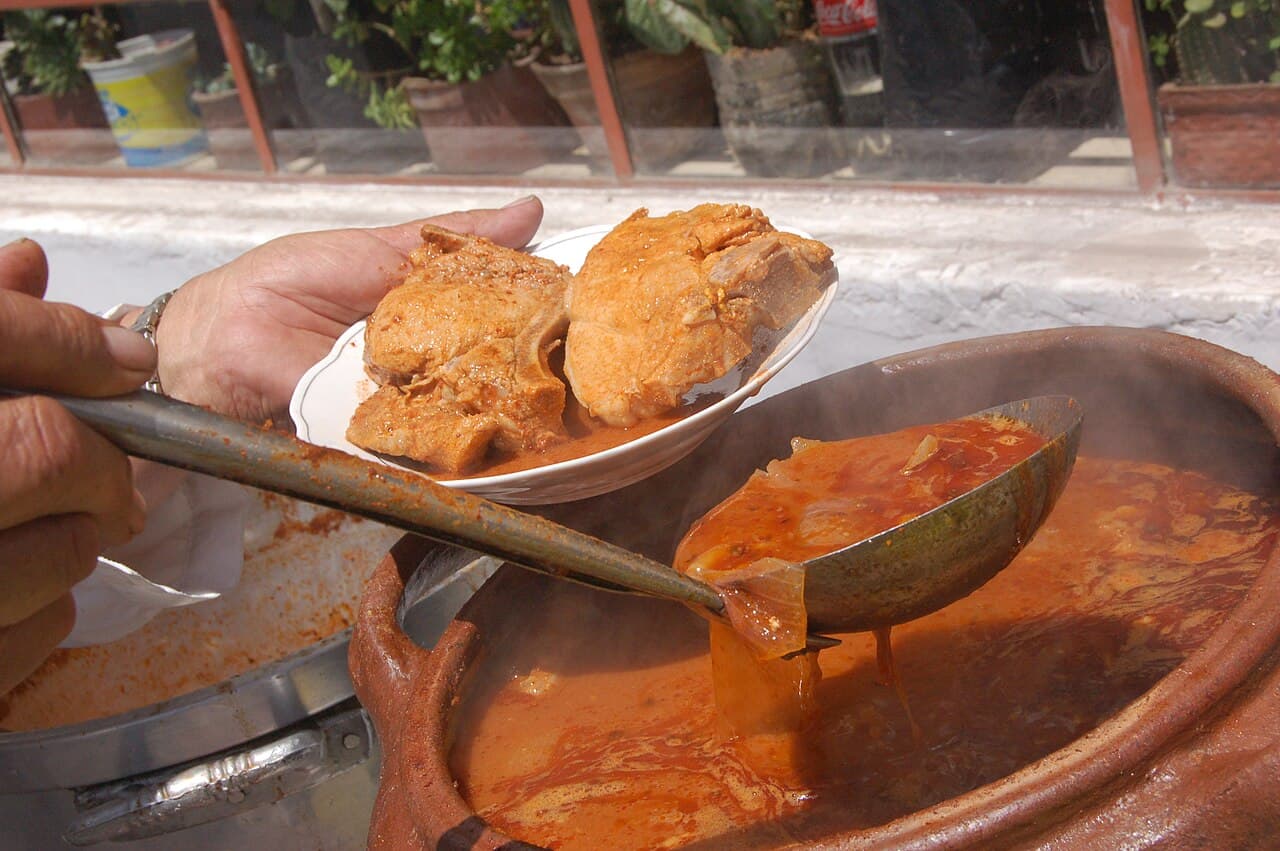
What Is a Picantería?
A picantería is not a restaurant in any conventional sense. It is a social institution: a lunchroom, a community hub, a living archive of Arequipeña food culture operating on the same principles it has followed for four centuries. The picantería began in the colonial era as a "chicha house" — an establishment (almost always run by a woman) where fermented corn drink was sold alongside food. Over time, the food grew from a supplement to the main event, while the chicha remained the social bond that held the institution together. The word comes from "picante" (spicy) — a reference to the intensely seasoned food that has always characterized Arequipa's cuisine. Today there are estimated 50+ active picanterías in Arequipa and its surrounding neighborhoods. None of them have English menus. None of them have printed menus at all. You ask what was cooked. You eat what she has.
The Institution's Structure
The picantera is almost always female, often the daughter or granddaughter of the previous picantera. The kitchen is typically open — you can see the pots, hear the cooking, smell what's coming. Tables are communal and shared; it is normal to sit at a table with strangers. The chicha de guiñapo is always present, often homemade: a dark, slightly fermented corn drink poured as welcome before you've ordered anything. The service is efficient and personal — the picantera or a family member takes your order verbally. There is one menu per day, determined by what was cooked that morning. The lunch service runs from roughly noon to 3pm. When the pots are empty, the picantería closes, sometimes before 3pm. The picantera woke at 5am to cook this food. She will not cook more because you arrived at 2:45pm. This is not a limitation — it is the institution's honesty about what it is.
What You Eat
The standard rotation of dishes at a well-stocked picantería: rocoto relleno (stuffed pepper with potato gratin) as the main event; chupe de camarones (river shrimp chowder) as the marquee soup; adobo arequipeño (chicha-marinated pork stew) particularly on weekday mornings; malaya (crispy fried beef, sliced thin); soltero de queso (fresh white cheese salad with fava beans, choclo corn, and tomato); and chairo (a thick Andean stew with dried potato and various meats). Dessert is queso helado: Arequipa's frozen cinnamon milk dessert, always present. Turrón (a dense nougat-adjacent sweet) sometimes appears. You will not find all of these at every picantería every day. What's available depends on what was cooked. The canonical full picantería lunch — chicha, rocoto relleno, chupe, queso helado — costs S/.40–70 for two people. It is enough food for the day.
The Chicha Ritual
Chicha de guiñapo is the social glue of the picantería. Made from a specific black corn variety (guiñapo) grown only in the Arequipa valley, fermented 3–7 days to 1–3% alcohol, it is dark, earthy, slightly sour, and completely unlike any commercial beverage. The picantera pours it into a small ceramic cuartillo as a welcome — before menus are discussed, before orders are placed. Accepting it is the correct social response. The chicha at a traditional picantería is often homemade by the picantera herself, poured from a large clay pot behind the counter. This home-fermented version is categorically different from any commercial chicha sold in bottles. It is the authentic version and cannot be experienced anywhere except at a picantería that makes its own. This is reason enough to seek out the traditional ones.
How to Find a Real One
Real picanterías are not in tourist zones. No picantería worth your time has an English menu, a TripAdvisor sticker, or a view of the Plaza de Armas. The best ones are in Sachaca (15 minutes by taxi from Yanahuara, S/.8–12), along the Tiabaya road, and on the outer streets of Yanahuara and Cayma. Finding them requires local knowledge. The most reliable method: ask an Arequipeño who eats at picanterías which one they go to. The second method: join the English-speaking expat Facebook groups for Arequipa — they maintain active, current lists of recommended picanterías, updated as new ones open and beloved ones change. The smell of adobo and wood smoke is a reliable guide when walking. A full parking lot of local cars at 12:30pm is a quality signal. A line of local workers is a very good sign.
Etiquette
Arrive by 1pm. Do not arrive at 2:30pm and expect the full menu. Accept the chicha when it's offered — declining is socially awkward, though not unacceptable. Ask "¿Qué tiene hoy?" (What do you have today?) rather than looking for a menu. Share the table if the picantera asks — it is normal. Order decisively; the picantera does not have time to explain every dish in detail. Pay in cash — most picanterías do not accept cards. Tip 10% if you want to, but it is not expected. Leave by 3pm; the picantera has been working since before dawn and needs to clean the kitchen. Return next week. Becoming a regular at a picantería is one of the better things that can happen to you in Arequipa.
UNESCO status
Intangible Cultural Heritage of Peru (2014)
Founded by
Arequipeña women (chicheras)
Hours
Mon–Fri 12–3pm (closed weekends)
Fixed menu
What came from the pot that morning
Lunch price
S/.25–45 complete
Expected dishes
Rocoto relleno, chupe, adobo, malaya
Why UNESCO recognized the picantería
In 2014, Peru's Ministry of Culture declared Arequipa's picanterías a National Intangible Cultural Heritage — one of only a handful of food traditions in the country to receive this recognition. The designation covers not just the food but the institution: the picantera's role as community hub, the chicha as social bond, the oral transmission of recipes across generations of women. The picantería is older than the Peruvian state. It predates the republic by at least two centuries.
There is no menu — that's the point
Picanterías don't have printed menus. You ask the picantera what she made that day. She tells you. You choose from what's available. If you ask for something she didn't cook, she'll tell you politely that it's not available. This isn't poor service — it's the institution functioning correctly. The picantera woke at 5am to cook what she cooked. It will be good. Trust the system.