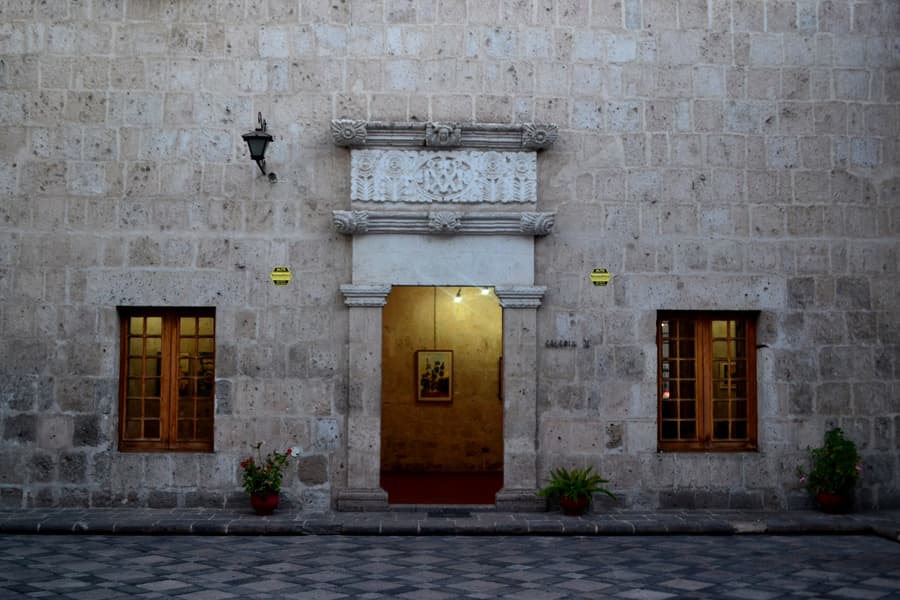
Arequipa is not the cheapest digital nomad destination in South America — Bangkok, Medellín, and Tbilisi compete on price. What Arequipa has is solid infrastructure at a cost that Lima, Cusco, or any tourist-heavy city on the continent cannot match. Fiber internet in every expat neighborhood. Climate that makes the working day productive. None of the distractions of beach towns. A city that works.
Why Arequipa Works for Nomads
The Arequipa case for digital nomads rests on three things: cost, climate, and infrastructure. The cost of living — rent, food, transport — is significantly lower than Lima or Cusco and dramatically lower than any European or North American equivalent. The climate is exceptional: 300 days of sun per year, temperatures between 10–25°C year-round, without the crushing heat of the tropics or the cold of the high Andean plateau.
The altitude of 2,335 meters above sea level has a surprising effect on some nomads: once through the initial acclimatization period (24–48 hours for most people), many report better focus and productivity. There is no robust scientific evidence to explain this, but it is a pattern reported often enough to mention.
Internet Infrastructure
Movistar and Claro offer fiber internet in all expat neighborhoods — Yanahuara, Cayma, Miraflores, the historic center. Symmetric speeds of 100–300 Mbps are widely available. Installation time is 3–7 business days. Power outages are rare: 1–2 per year, typically under 2 hours.
For backup, a Claro or Bitel SIM with a 30GB data plan for S/.39/month works perfectly as a 4G hotspot. It is the safety net every nomad in Arequipa should have set up on their phone from day one. SIMs are sold at Claro and Bitel shops throughout the city, no passport required in most cases.
Co-working Spaces
Arequipa has 8+ active co-working spaces. The range runs from international-style spaces with fixed desks and meeting rooms to more basic local options that are perfectly functional. Pricing:
- Fixed desk (monthly): $60–80
- Hot desk (monthly): $20–40
- Day pass: $5–10
Most include a printer, meeting room access, and coffee. Spaces are concentrated primarily in Yanahuara and Miraflores. Since spaces open and close with some frequency, ask for current recommendations in the Facebook groups — word-of-mouth is more reliable than any list published more than six months ago.
Best Cafés to Work From
Yanahuara is the primary working-café hub in Arequipa. Characteristics to look for: fast WiFi (always ask before ordering), sufficient power outlets, not too loud before noon, tolerant of long stays.
Avoid cafés on the Plaza de Armas tourist strip — WiFi is usually shared with tourist traffic and noticeably slower. The best working cafés in Yanahuara tend to be the ones with a regular local clientele, not those oriented primarily at passing tourists.
The classic setup: arrive at 8am, get a window seat, order an Americano (S/.8), connect to the fiber WiFi (ask for the password — they always share), and work for 3–4 hours before the lunch crowd arrives. Most Yanahuara cafés do not enforce a minimum spend per hour and do not rush you out. This is a city where people sit in cafés for a long time — you fit right in.
The UTC−5 Timezone Analysis
Arequipa runs UTC−5 with no daylight saving time. This creates a timezone situation that in practice favors nomads with clients in the northern hemisphere.
US East Coast clients: In winter (standard time), Arequipa and New York share the same timezone. In summer (daylight saving), Arequipa is one hour behind. Morning calls with East Coast clients happen at a civilized hour on both ends.
US West Coast clients: A 2–3 hour difference. Your Arequipa morning overlaps with the start of the West Coast day. Manageable.
European clients (UTC+1/+2): 8–10am calls in Europe land at 2–4am in Arequipa — an async-first relationship that works perfectly. You reply at the end of your morning, they have a response by their afternoon. The timezone math works for Arequipa better than for most South American cities.
Australian clients: Arequipa afternoon coincides with Australian morning — one of the few geographic relationships where real-time overlap works naturally.
The Nomad Community
Co-working spaces are the community hub. The Facebook groups "Expats in Arequipa" and "Arequipa Digital Nomads" are active. The community is not enormous — Arequipa is not Medellín or Chiang Mai in terms of nomad volume — but it is compact and tight-knit. Monthly informal meetups happen through Facebook events. If you settle in Yanahuara, you will meet other nomads organically through the cafés and co-working spaces within days.
First-Week Setup Checklist
- Day 1: Claro or Bitel SIM — immediate backup data
- Week 1: Fiber internet installed in the apartment
- Week 2: Co-working space or café routine established
- Always: 4G hotspot charged as a safety net
- Optional: Join the Facebook groups for community updates
Fiber speed
100–300 Mbps
Co-working spaces
8+
Cheapest co-work
~$60–80/mo
Power outages/year
1–2, brief
Time zone
UTC−5 (no DST)
Recommended SIM
Claro or Bitel
The best café setup in Yanahuara
UTC−5 is your secret weapon