The Wititi: The Dance of Love and Rebellion in the Colca Valley
Step into the magical world of Wititi, the emblematic dance of the Colca Valley. Discover its rich history, cultural significance, and how this artistic expression, recognized by UNESCO as Intangible Cultural Heritage, remains alive, narrating tales of love and defiance in Arequipa's heart.
The Colca Valley, with its imposing landscapes and profound history, is a treasure of Arequipa's culture. Among its many gems, the Wititi dance stands out as a vibrant expression of identity, love, and, curiously, rebellion. For anyone visiting Arequipa, witnessing this dance is not just a tourist experience but an immersion into the soul of a people who have preserved their traditions over centuries. Wititi is not just a dance; it is a living narrative of the Andean worldview, a bond that connects the past with the present.
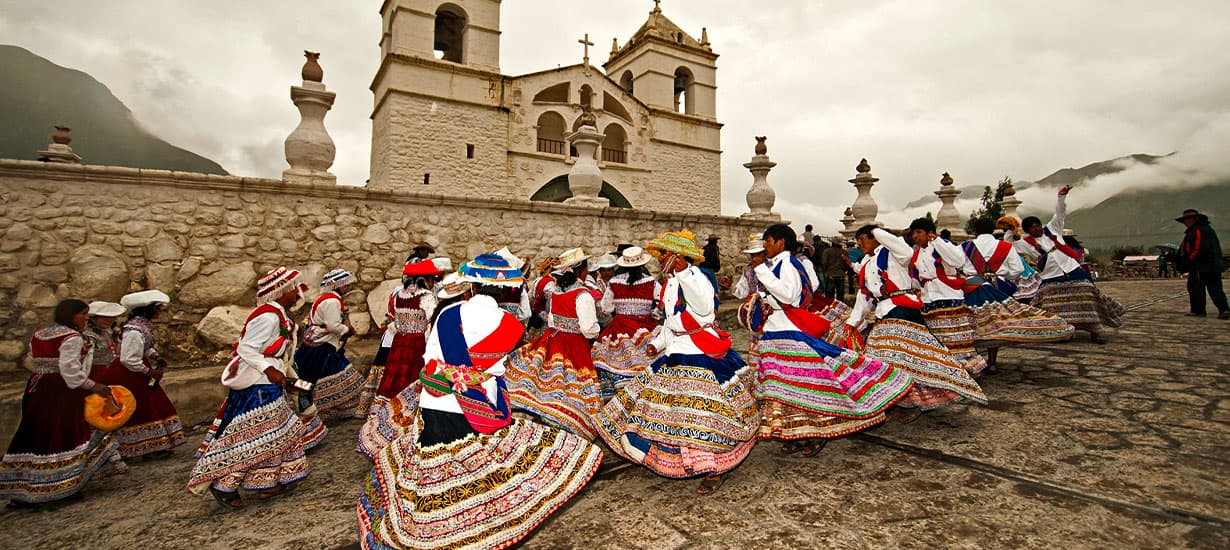
This ancient dance, originating from the province of Caylloma in the Arequipa region, is much more than steps and music. It is a complex social narrative that has been passed down from generation to generation. The colorful costumes, masks, and characteristic movements tell stories of courtship, resistance, and the importance of community in Andean life. Exploring the Colca, it is impossible not to be drawn to the energy and mysticism emanating from every Wititi performance.
Wititi: UNESCO Heritage and its Deep Meaning
In 2015, UNESCO recognized the Wititi dance as Intangible Cultural Heritage of Humanity, a milestone that not only celebrated its artistic value but also ensured its protection and global dissemination. This recognition underscores the dance's importance as a fundamental pillar of the Colca Valley's cultural identity. But what makes Wititi so special? Its meaning goes beyond aesthetics. It is said that Wititi originated from a strategy to win the beloved woman, where men disguised themselves as women to approach without suspicion. This romantic 'rebellion' is an intrinsic part of its charm.
Wititi is not just a dance; it's a cry of love and freedom, a bridge between the ancestral and the contemporary in the heart of Arequipa.
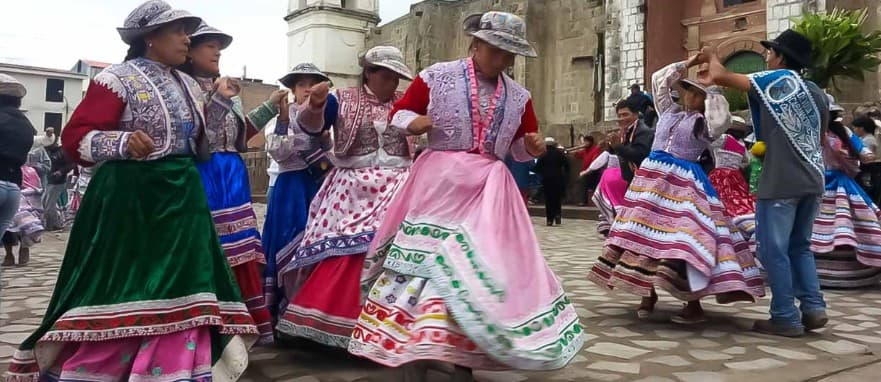
The elements of the attire are key to understanding the dance. Men, who traditionally disguise themselves as women, wear superimposed skirts (polleras), adorned monteras (hats), and scarves that cover part of their faces, while holding a 'wawa,' a doll symbolizing a future child. Women, for their part, wear equally elaborate costumes with embroideries representing local flora and fauna, showcasing the region's rich textile and cultural heritage. Every detail holds a profound symbolism that enriches the experience of those who observe and participate in this living tradition.
A Living Tradition: How Wititi Shapes Colca Culture Today
Today, Wititi remains a central element in festivities and celebrations in the Colca Valley, especially during the Feast of the Immaculate Conception in December. Children, youth, and adults participate with fervor, ensuring that this rich tradition not only survives but continues to evolve. The dance fosters a sense of community and pride among the inhabitants, and is a key attraction for cultural tourism in Arequipa. Watching the dancers move to the rhythm of the music, with their energetic and coordinated steps, is an unforgettable experience that connects you directly with the indomitable spirit of Colca.
For visitors to Arequipa, immersing themselves in the local culture through Wititi is a unique opportunity. Whether at a festival or a cultural presentation, the dance's energy, the authenticity of the costumes, and the story it narrates leave a lasting impression. It is a testament to how culture and tradition can transcend time, celebrating the love and rebellion of a people who have kept their essence alive in the majestic Colca Valley.
Did you enjoy this story?
Share it with someone who loves Arequipa.
Have your own Arequipa story?
Submit an article →