The Weavers of the Colca Valley: A Living Five-Century Art
In the villages of the Colca Valley, women weave with alpaca and vicuña wool following patterns passed from mother to daughter for five hundred generations. Every garment is a map, a story, a family name.
Doña Celestina Huanca has been weaving since she was seven years old. Today she is sixty-two. Her hands move over the backstrap loom with a speed that makes the outside observer lose the thread — literally — of what is happening. But if you watch the fabric emerging, you see something that is not just weaving: it is writing.
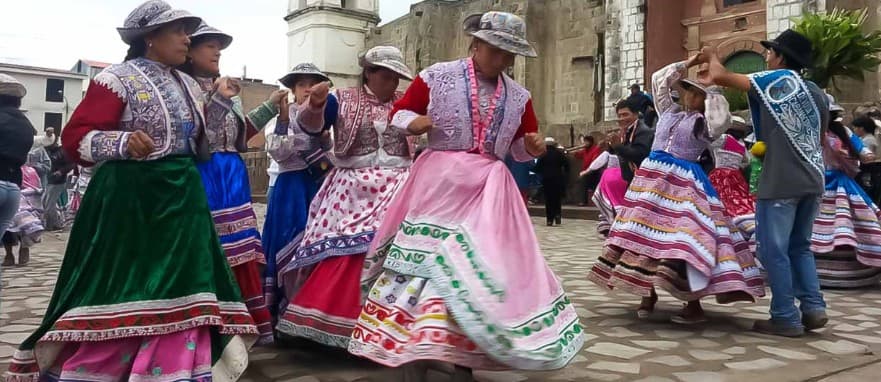
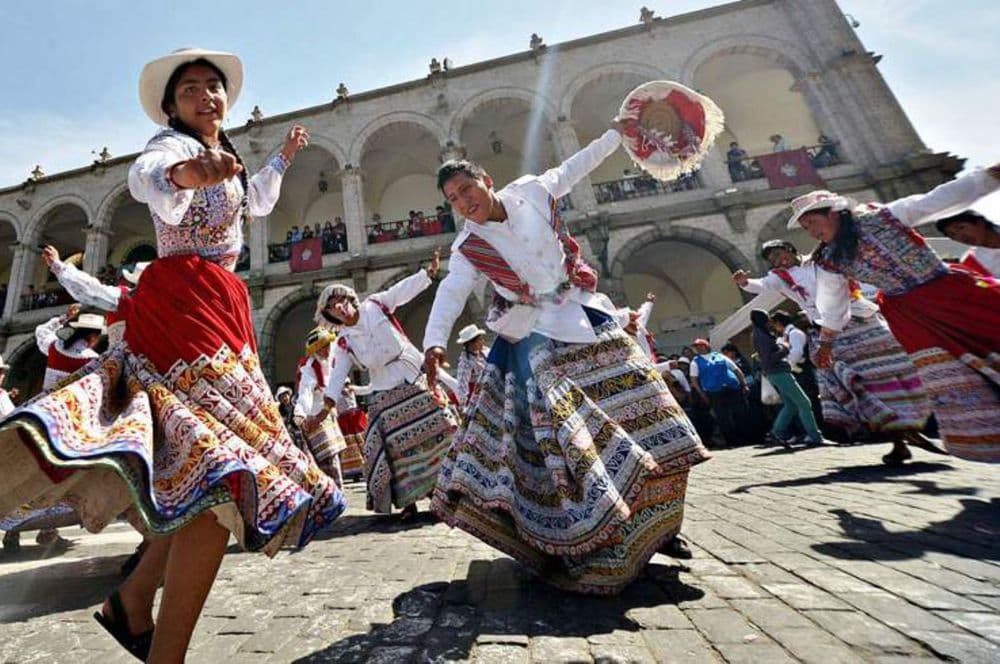
The geometric patterns of Colca weaving — diamonds, stepped motifs, Andean crosses — are not decorative. They are a symbolic coding system that communicates information about the community of origin, marital status, family lineage, and ceremonial roles held by the weaver or her family. A poncho well-read by a knowledgeable person is a genealogical document.
Vicuña wool: the rarest thread in the world
Colca weaving uses mainly alpaca wool, which is extraordinarily fine and warm. But the most valuable pieces use vicuña — the wild Andean camelid whose wool is, fiber for fiber, the finest in the natural world. The vicuña was hunted nearly to extinction during the 20th century. Today it is chacea-sheared (shorn without harming the animal) in controlled communities, and the wool is legally protected: only registered producers may sell it.
A hand-woven vicuña shawl from the Colca can take three weeks to complete and cost between $200 and $500 USD. This is not souvenir craft — it is a collectible piece.
When I weave, I am not making a scarf. I am having a conversation with my grandmothers.
Where to buy authentic Colca weaving
The Chivay market (capital of the Caylloma province) has the best textile market in the valley, especially on Tuesday and Sunday mornings. Prices are fair — much better than in Arequipa city markets — and you can watch the artisans working in the same space where they sell.
I also recommend the Yanque Artisan Center, where a collective of twenty weavers sells directly without intermediaries and offers half-day weaving workshops for small groups. If you are buying a Colca textile, always ask if it is handmade (backstrap loom) and ask to see the interior seam — handmade weaving has a microscopic irregularity that machines cannot replicate.
Did you enjoy this story?
Share it with someone who loves Arequipa.
Have your own Arequipa story?
Submit an article →