Sillar: The Stone That Made Arequipa White
Sillar is not just Arequipa's building material — it is its identity made stone. Every block of the historic center is a declaration of volcanic resilience and hand-carved colonial beauty.
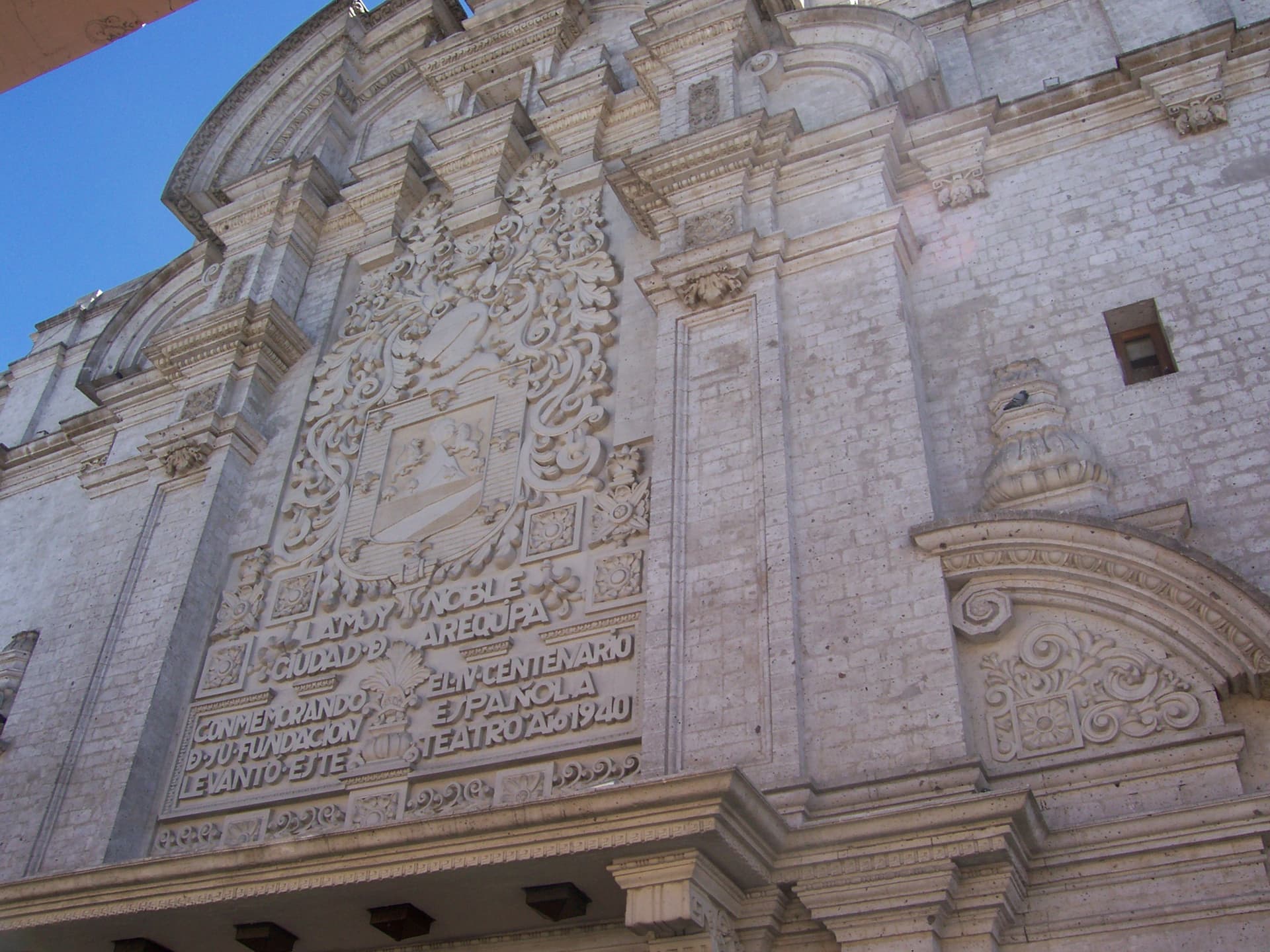
When a visitor first arrives in Arequipa's historic center and sees that particular luminosity of the buildings — that warm white that is not the cold white of marble nor the inert white of plaster but something alive, porous, almost soft — they are seeing the result of a geological accident from two million years ago.
Volcan Chachani erupted. The ash and consolidated lava covered the valley. And from that violence was born sillar: an ignimbrite volcanic rock, light as brick but far easier to carve, as earthquake-resistant as concrete and so beautiful that the colonial architects of the 16th century could not resist it.
Why sillar survives earthquakes
Arequipa has been devastated by earthquakes multiple times. And each time, sillar has held where other materials failed. The reason is its molecular structure: it is a low-density rock with micro-cavities that absorb some of the seismic energy. Well-built sillar structures literally flex rather than shatter.
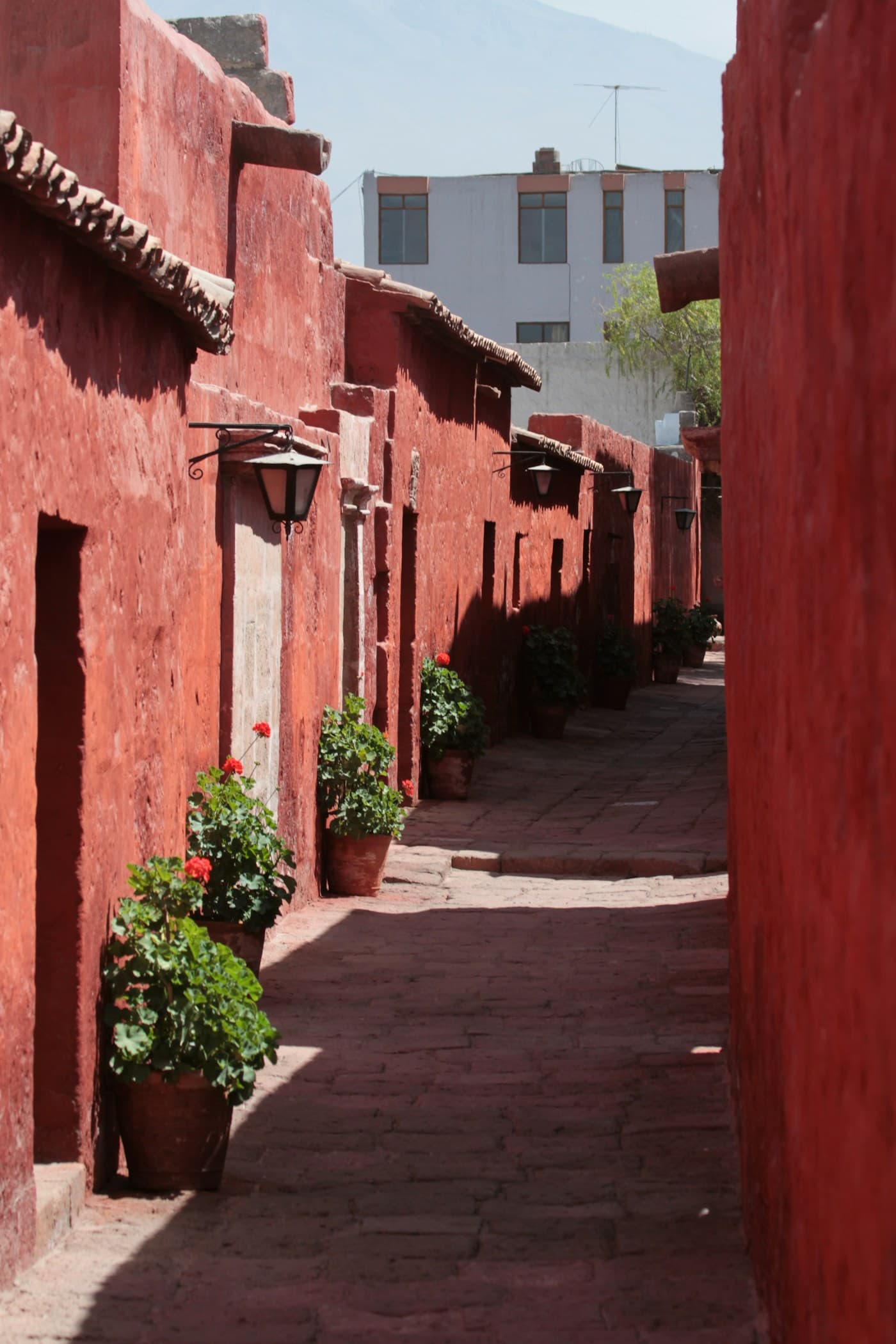
The Convent of Santa Catalina, built between 1579 and 1650 almost entirely of sillar, survived the 2001 earthquake — the most devastating in decades — with minor damage while modern concrete buildings around it collapsed. The colonial stonemasons knew exactly what they were doing.
Sillar is Arequipa condensed: born from fire, resistant to time, and more beautiful the more the sun shines on it.
The sillar quarries today
The most important active quarries are in the Añashuayco district, about 14 kilometers from the center. You can visit. The stonecutters work exactly as they did four hundred years ago: with steel chisels, wooden mallets, and a technique passed from master to master. Each block is cut by hand, squared by eye, and delivered without any additional treatment.
If you want to see the process, the Municipal Historical Museum of Arequipa has a room dedicated to sillar carving techniques. And if you want to take home something that lasts generations, look for the artisan carvers in the San Lázaro neighborhood — they work sillar into miniatures, frames, and decorative sculptures that are truly unique pieces.
Did you enjoy this story?
Share it with someone who loves Arequipa.
Have your own Arequipa story?
Submit an article →