The Secret Corridors Beneath Arequipa
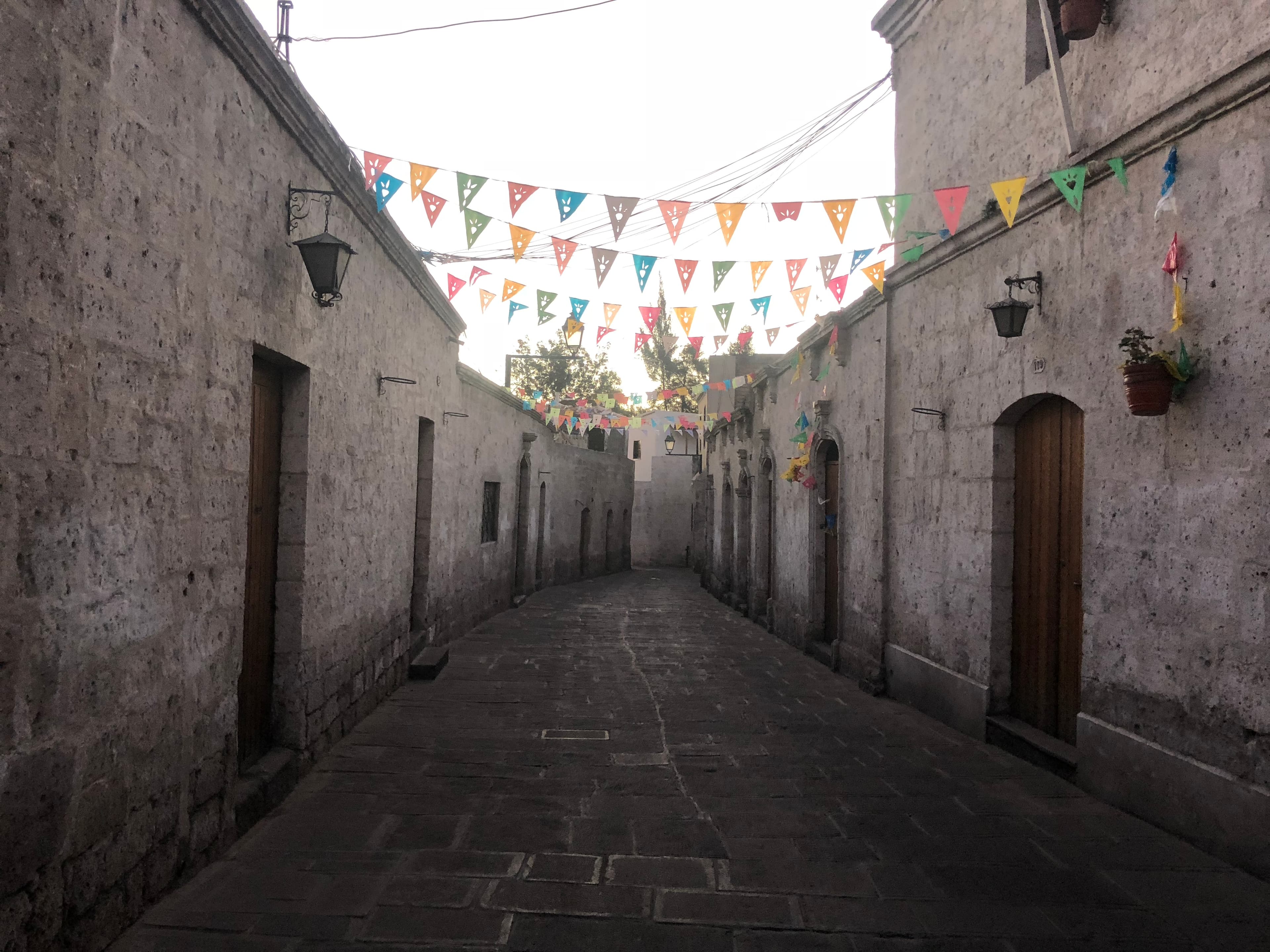
Beneath the white sillar stone of the White City lies a network of colonial tunnels connecting convents, churches, and mansions. The story Arequipeños keep with quiet pride.
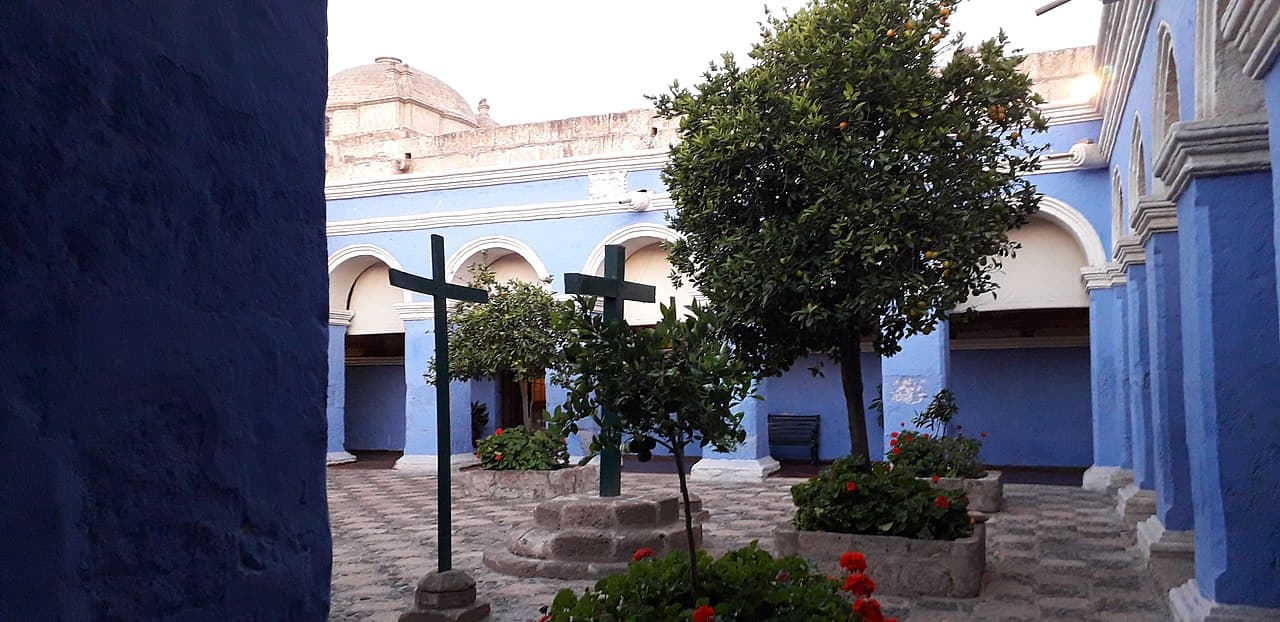
You walk through the Convent of Santa Catalina and feel time stand still. The saffron and burgundy walls, the stone fountains, the silence broken only by pigeons — everything transports you to the 16th century. But there is something few tourists notice: the low doors in the corners of the cloisters, opening to stairways that descend into darkness.
A city beneath the city
During the colonial period, Arequipa was a city where the Church governed everything. Convents were economic and political institutions as much as religious ones. And like every powerful institution, they needed to move unseen. The tunnels — called locally "pasadizos" — were born from that need.
According to Arequipa historian Víctor Condori, records exist of at least five main underground routes traced between the 17th and 18th centuries. The most famous connected the Convent of Santa Catalina with the Cathedral, following the path of what is now Santa Catalina street. Another ran under Plazuela San Francisco to the Convent of La Recoleta.
The pasadizos were not just corridors — they were arteries of power. Messages, money, and sometimes people the official world preferred not to see traveled through them.
What survived the earthquakes
Arequipa has been shaken by devastating earthquakes — 1600, 1784, 1868, 2001. Each time, the city rebuilt itself. And each time, the tunnels were buried under new layers of history. Some sections collapsed. Others were deliberately sealed during the Velasco government in the 1970s, when there were fears they might be used for political purposes.
Today, the few sections that remain accessible lie beneath the Convent of Santa Catalina (visitable on the Thursday night tour) and under the Colegio Nacional de la Independencia Americana, where a 40-meter stretch of pasadizo was rediscovered during renovation works in 2019.
How to visit them
The Santa Catalina night tour (Thursdays, 19:00–21:30, S/ 45) includes access to two sections of the original tunnel. They provide lanterns and a guide who tells the stories with a precision that makes your skin prickle. It is, without doubt, one of the most intimate experiences you can have with Arequipa's past.
For those who want to go deeper, the UNSA Archaeology Museum organizes annual visits to underground sites identified but not open to the public. Follow their Facebook page for dates — spots fill within hours.
Did you enjoy this story?
Share it with someone who loves Arequipa.
Have your own Arequipa story?
Submit an article →