Underground Arequipa: The Truth Behind the Mythical Tunnels of the Historic Center
Arequipa, the White City, holds secrets not only within its sillar walls but also beneath its cobblestones. Do the legendary `tunnels` really exist, connecting churches and mansions? Dive into the `history` and `urban legends` that weave the mystery of Arequipa's `historic center`.
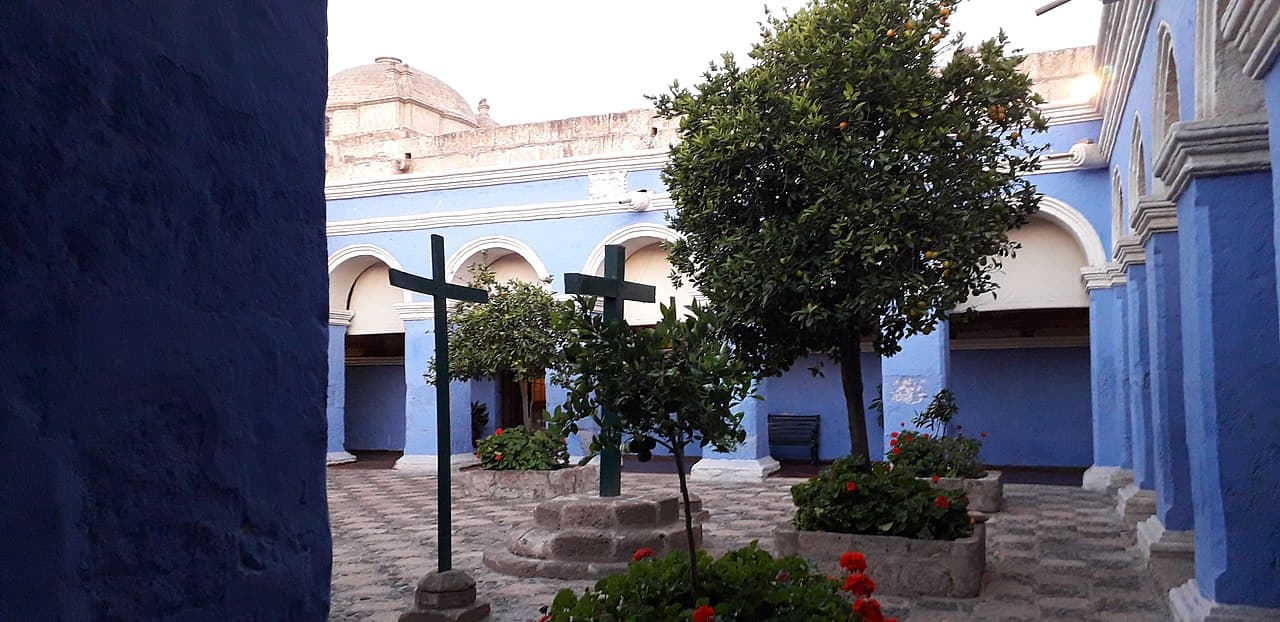
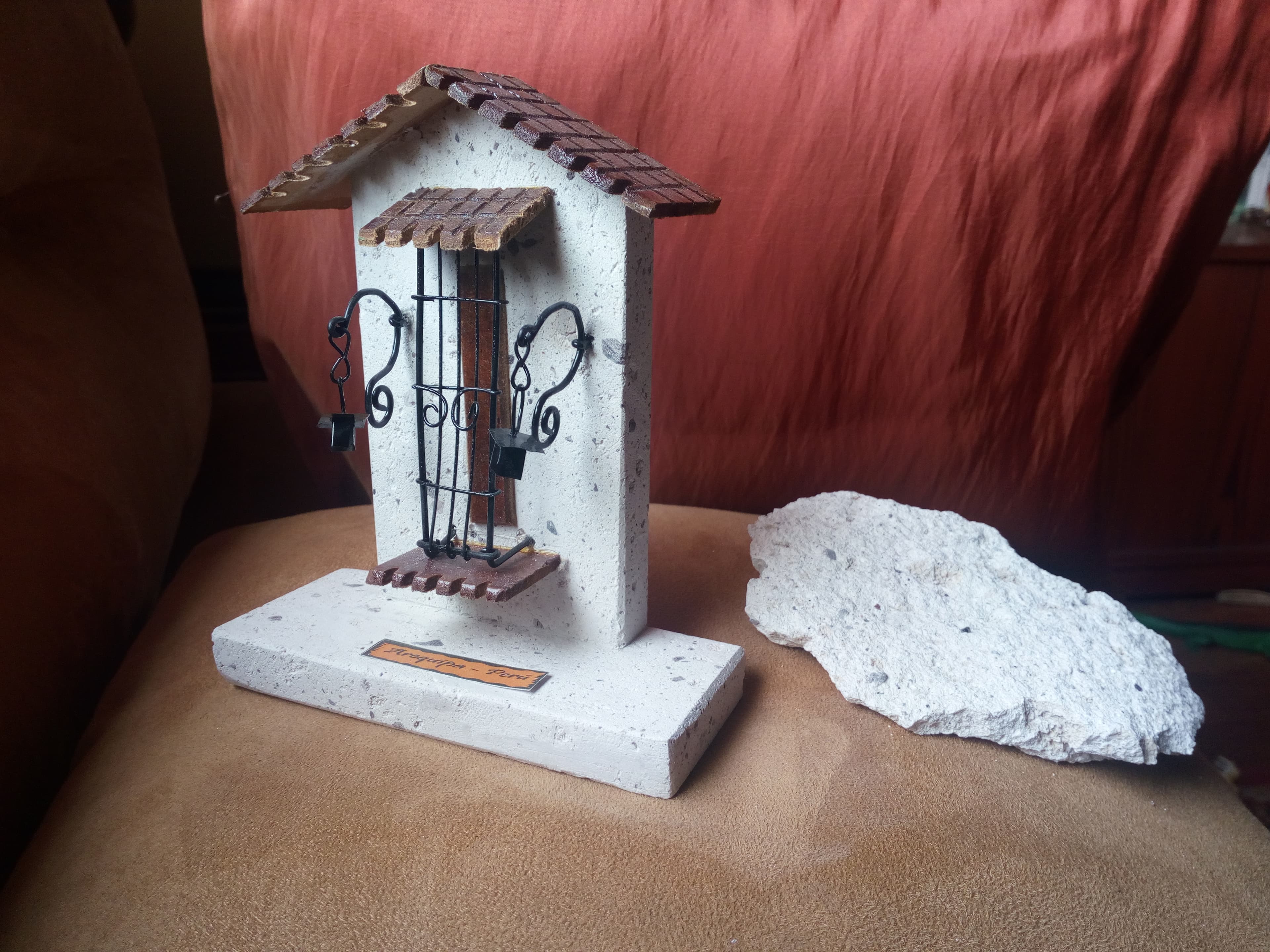
Arequipa, the White City, evokes images of gleaming sillar stone under an intense blue sky, colonial patios brimming with flowers, and the imposing silhouette of Misti watching over. But what lies beneath this visible surface? For generations, whispers of an intricate network of secret `tunnels` have captivated the imagination of locals and visitors, adding a layer of mystery to the already fascinating `history` of the city.
The Echo of History: Myths or Hidden Passages?
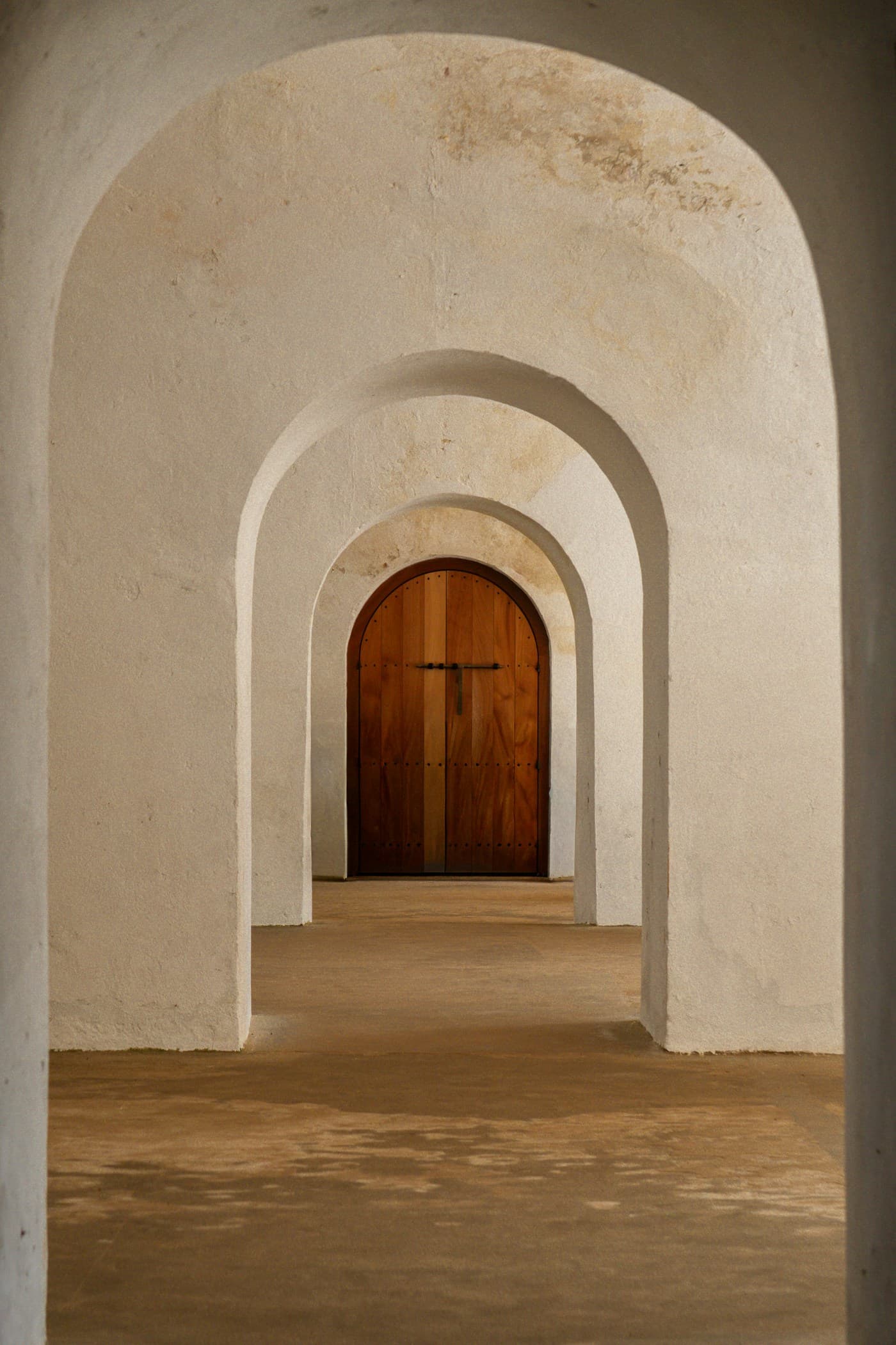
Arequipa's oral tradition insists on the existence of underground passages connecting emblematic buildings of the `historic center`, from the Santa Catalina Monastery to the Cathedral, passing through ancient viceregal mansions. These `urban legends` suggest various purposes: escape routes during earthquakes or sieges, treasure hideouts, or even discreet paths for romantic encounters or political conspiracies. Colonial architecture, with its deep cellars and internal passages, naturally fuels these speculations.
”Arequipa guards its secrets with the same nobility with which sillar resists the passage of time. To understand it, one sometimes has to look beyond the obvious, even underground.”
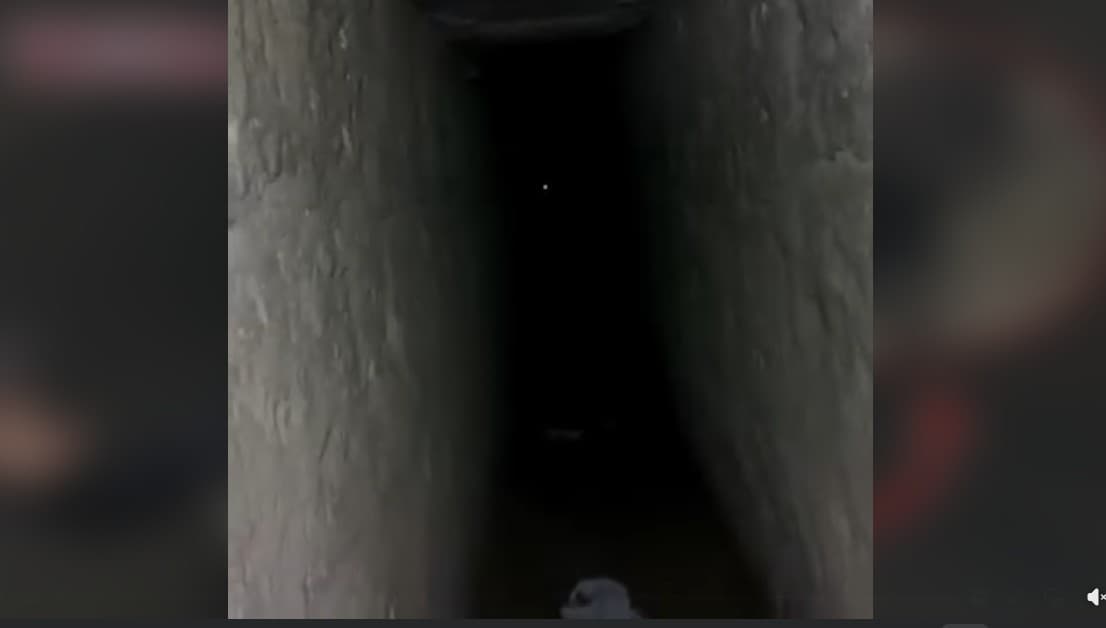
History tells us that the city was founded on an active seismic zone. The need for resilient structures and possible evacuation routes was not unreasonable. Religious orders, known for their constructive ingenuity and discretion, are also recurring protagonists in these narratives of hidden `tunnels`. There is talk of passages connecting female and male convents, or allowing clergy to flee in times of social upheaval.
Underground Arequipa: Between Imagination and Archaeology
While the idea of a vast network of `tunnels` à la an adventure movie is seductive, the archaeological reality is more nuanced. During restoration and construction work in the `historic center`, underground passages have been discovered, but most are colonial drainage systems, water channels, or interconnected cellars of limited extent, not grand secret routes. These findings, though less dramatic, are equally valuable for understanding the infrastructure and daily life of viceregal `Arequipa`.
Concrete examples include the network of underground irrigation canals that supplied water to the city and its orchards, or small passages connecting kitchens to pantries in large mansions. The Casa del Moral, the Andean Sanctuaries Museum (where the Lady of Ampato is exhibited), and the Santa Catalina Monastery itself, despite the `urban legends`, have revealed more about their complex architecture and service systems than about large-scale escape tunnels.
The allure of `Arequipa`'s secret `tunnels` lies, perhaps, in the perpetuation of the legend itself. Walking its sillar streets at dusk, one can almost feel the echo of ancient footsteps and the whisper of untold stories beneath one's feet. The city invites its visitors to explore not only its architectural beauty but also the rich tapestry of myths and truths that make it unique.
Thus, whatever the actual extent of these `tunnels`, their presence in the collective imagination is undeniable. They contribute to the mystique of `Arequipa`, encouraging us to look beyond the surface and appreciate how `history` and `urban legends` intertwine to bring to life one of Peru's most captivating `historic centers`.
Did you enjoy this story?
Share it with someone who loves Arequipa.
Have your own Arequipa story?
Submit an article →