Arequipa Cathedral: 400 Years of Faith, Earthquakes, and White Sillar
Uncover the amazing history of Arequipa's Basilica Cathedral, an iconic sillar structure that has withstood centuries of challenges. From its foundation to the earthquakes that tested it, delve into the resilience and beauty of its architecture and deep Arequipan faith.
The imposing Basilica Cathedral of Arequipa is not just a church; it is the beating heart of the White City, a testament to faith and resilience that stands majestically in the Plaza de Armas. With over 400 years of existence, its history is a fascinating tale of construction, destruction, and reconstruction, always standing tall with the unmistakable white sillar that gives it its unique glow.
Since its foundation in 1612, on the foundations of the primitive Main Church, the Cathedral has been a silent witness to Arequipa's evolution. Its privileged location, dominating the Plaza de Armas, makes it an unmissable landmark for locals and visitors. The Neo-Renaissance and Neoclassical architecture we admire today is the result of centuries of adaptation and overcoming natural disasters.
Sillar: The Skin and Soul of the Cathedral
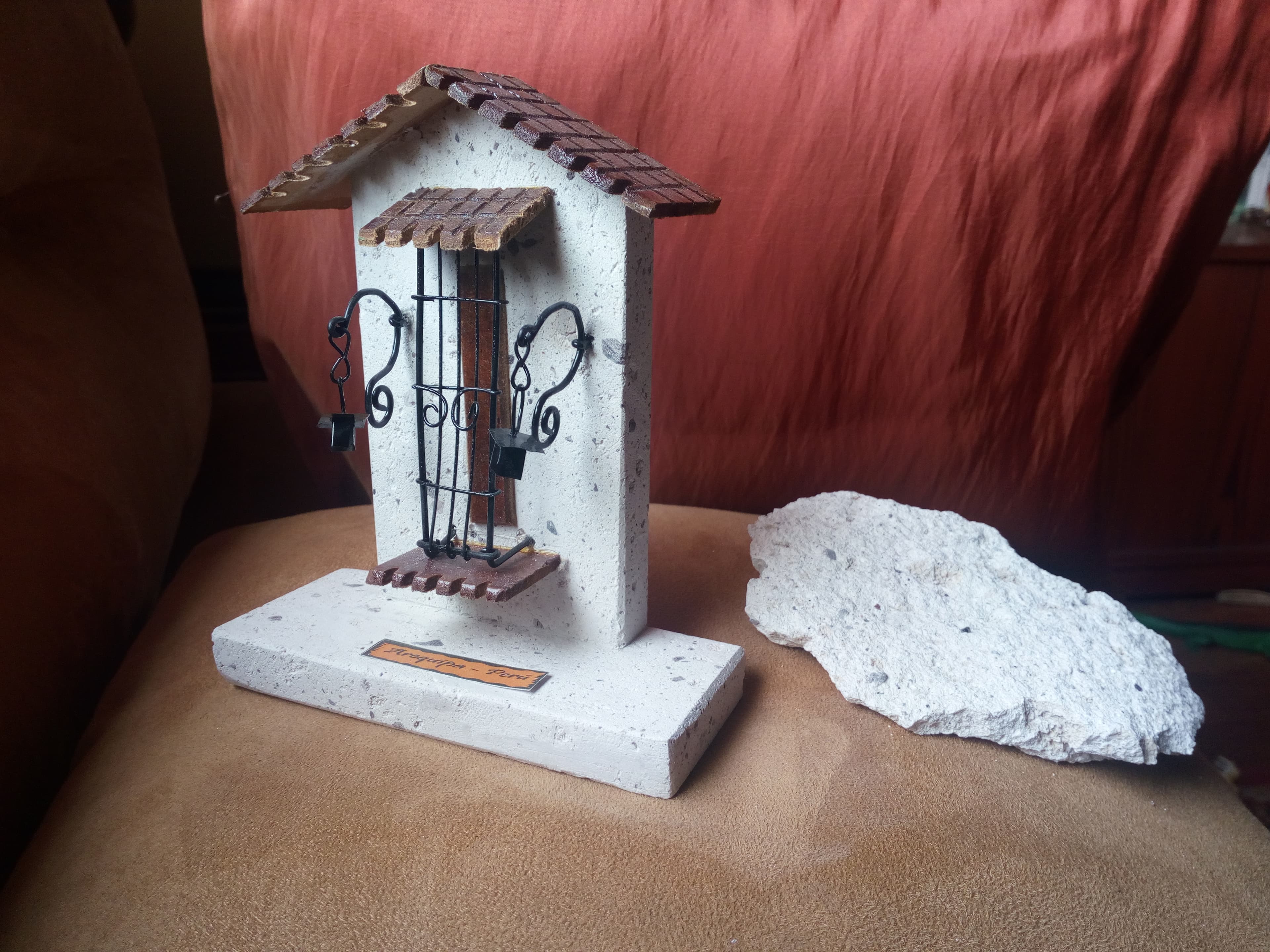
Sillar, the white volcanic stone extracted from nearby quarries, is not just the construction material of the Cathedral; it is its essence. This light, porous, and easy-to-carve material has allowed Arequipa's architecture to develop its own style, resistant to earthquakes and of incomparable beauty. The glow it emits at sunset, when the sun bathes its facades in gold, is an experience that moves anyone.
The history of the Cathedral is intrinsically linked to the seismic activity of the region. The earthquake of 1868, for example, was devastating, collapsing its towers and much of the nave. However, the unwavering faith of the Arequipeños and their mastery in the use of sillar allowed for its prompt reconstruction, restoring its splendor and adding elements that make it even grander today. Every scar on its walls tells a story of survival and devotion.
“Arequipa's Cathedral is a sillar miracle, a perpetual offering to the sky that has defied time and tremors to remain a beacon of our identity and our faith.”
A Sanctuary of Art and Devotion
Beyond its structure, the interior of the Cathedral houses treasures of incalculable artistic and religious value. From the impressive pulpit carved by Buisine from oak wood, brought from France, to the majestic Loret organ, the largest in South America, every corner is a manifestation of Arequipa's deep religiosity. The side chapels, dedicated to various saints and devotions, invite introspection and prayer, while pictorial and sculptural works narrate biblical passages and the lives of saints.
Visiting the Cathedral is immersing oneself in a journey through time, where history, architecture, and religion intertwine. It is feeling the strength of a community that has known how to rise again and again, with its gaze fixed on the sky and its feet firmly on the sillar earth. It is a living monument that continues to celebrate the faith, hope, and unwavering will of a people proud of their White City and its magnificent Cathedral.
Next time you visit Arequipa, take a moment to contemplate the Cathedral, not just as a building, but as a symbol of human perseverance and the beauty that can arise from adversity. Its daily ringing bells are a constant reminder of its legacy and its central role in Arequipa's life. A true monument honoring four hundred years of history and faith in the heart of Peru.
Did you enjoy this story?
Share it with someone who loves Arequipa.
Have your own Arequipa story?
Submit an article →