Carnival in Arequipa: Water, Music, and the Unsha Tree Until Monday
Arequipa's carnival is unlike any other in Peru: it blends water fights in the streets of the historic centre, brass-band comparsas that play until three in the morning, and the Andean tradition of the unsha — a gift-laden tree that people dance around until someone fells it with a machete blow. It lasts ten days and changes everything.
Carnival arrives in Arequipa in February — or in March when Easter falls late — and for ten days the White City abandons the austere composure it wears the rest of the year. The streets of the historic centre become a battlefield of water balloons and garden hoses from the Saturday before carnival through Shrove Tuesday. Neighbourhood comparsas — from Vallecito, Miraflores, the city centre, and Alto Selva Alegre — hire brass bands and process through the city with huayno and pandilla puneña rhythms from eleven in the morning until after midnight. This is not Lima's half-forgotten carnival, nor Cajamarca's nationally famous one. Arequipa's carnival is intimate, neighbourhood-scaled, and entirely in the open air.
The Pandilla Puneña and Arequipa's Own Carnival Rhythm
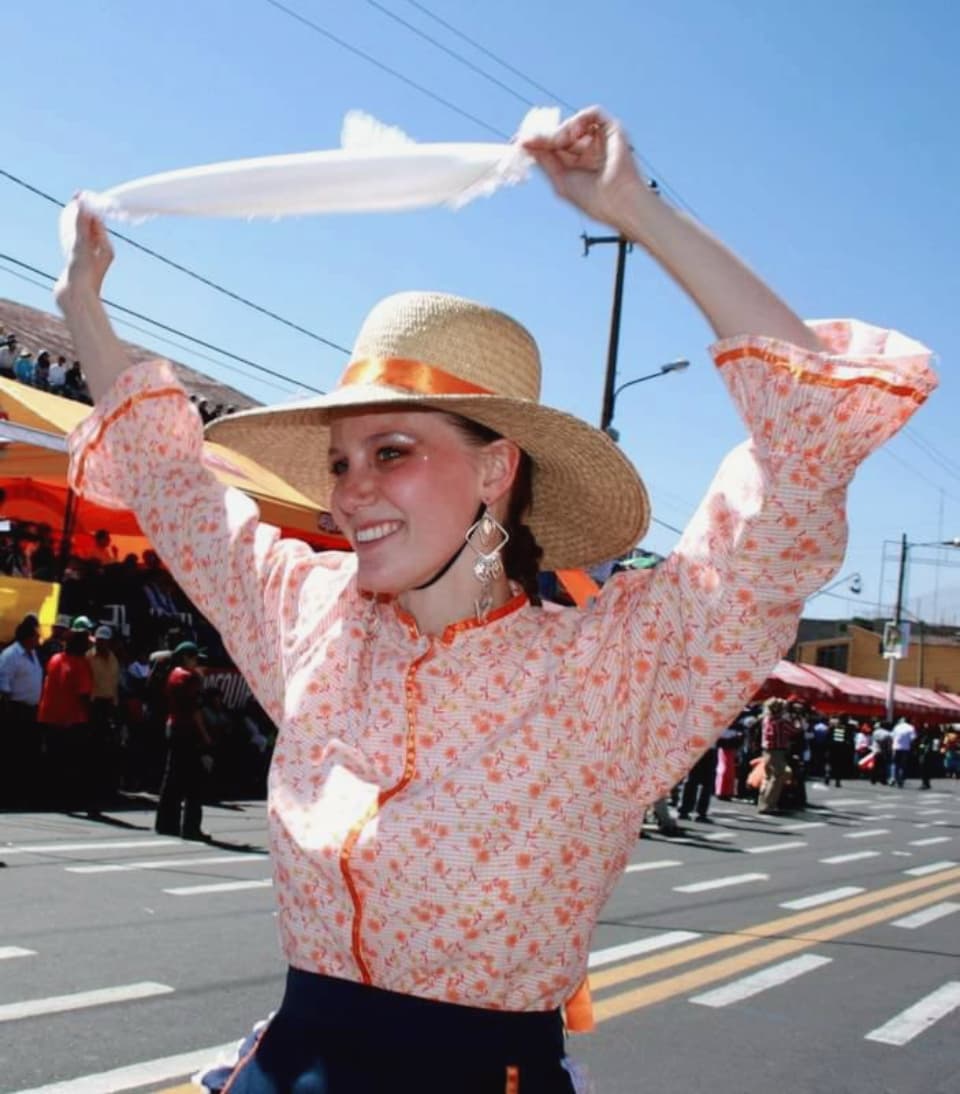
Arequipa has its own carnival rhythm: the pandilla puneña, brought by highland migrants from the altiplano during the twentieth century, which merged with traditional arequipeño huayno and nineteenth-century zamacuecas to create something unrecognisable in origin but unmistakeable in sound. The pandilla is danced in a circle: men and women alternating, holding hands or shoulders, turning counter-clockwise to the beat of bass drums, cymbals, and trumpets. During carnival, pandilla bands can number forty musicians or more. The largest comparsas — such as the Miraflores group, which has been organising its own carnival for decades — elect queens as early as November, sew sequinned costumes costing between S/ 300 and S/ 800, and follow a four-kilometre route with stops at every friendly neighbourhood bodega.
The Plaza de Armas fills on carnival Sunday and Monday with comparsas competing before a municipal jury. Entrance is free. Improvised stands — plastic chairs rented by neighbours for S/ 5 each — fill up from four in the afternoon. Since 2015 the municipality has run an official comparsa competition awarding S/ 5,000 to first place in the senior category. The prize is symbolic: winners typically invest three times that amount in costumes, music, and coordination. What the prize buys is the honour of saying your neighbourhood won.
At carnival, Arequipa lets slip, for a moment, the dignity it guards so carefully the rest of the year.
The Unsha: The Tree Nobody Wants to Be the One to Fell
The Andean tradition of the unsha — called yunza in other regions — is the heart of neighbourhood carnival in Arequipa. On the Wednesday or Thursday before carnival, the host family plants a willow or molle tree in their courtyard or on the street and loads it with gifts: bottles of beer and pisco, toys, clothing, small appliances, balloons, and streamers. Each guest pays a participation fee — usually between S/ 20 and S/ 50 — which funds the day's food and drink. Through the afternoon, participants dance around the tree in couples and each couple takes a machete swing at the trunk. The trick is not to be the one who fells it: whoever cuts it down assumes responsibility for organising next year's unsha and covering all the costs.
Neighbourhood unshas in areas like Alto Selva Alegre or Ciudad de Dios last eight hours or more. Chicha de guiñapo, pisco sour, and Arequipeña beer flow from midday. Food includes chaqué — a wheat-and-pork stew — and chicharrón with mote. Children weave between adults' legs and collect the toys that fall when the tree finally gives way. The moment the tree comes down is simultaneously a cheer of triumph and a verdict: whoever held the machete at that instant becomes the "unshero" for the following year and must fund the whole celebration.
Water Games: The Unwritten Protocol
Water games — balloons, hoses, buckets, water pistols — are the most chaotic aspect of carnival and the one that most divides locals from visitors. The unwritten protocol is clear to those who know it: water play happens in neighbourhood streets, not in the historic centre or in front of churches. Anyone walking down Calle Mercaderes or Calle Santa Catalina on a carnival Saturday with clothes they don't want soaked needs to move quickly. Children have tacit permission to drench strangers; adults negotiate. Balloon stalls are set up from 9:00 in neighbourhoods like Vallecito and Miraflores, selling bags of a hundred balloons for S/ 5, and by carnival Monday the city's gutters are full of red and yellow rubber.
When and How to Experience Arequipa's Carnival
Carnival dates vary with the liturgical calendar but always fall between the first week of February and the first week of March. The carnival weekend — Saturday, Sunday, Monday, and Tuesday — is the peak. Hotels in the centre raise rates by 30–40%; those in Yanahuara and Miraflores are cheaper and better positioned for watching comparsas. If you arrive in Arequipa during carnival without having planned for it, bring clothes you can afford to get wet, buy a bag of balloons at the market for S/ 3, and accept the logic of the ten days: here, in February, the city decides to be something else.
喜欢这个故事吗?
分享给喜爱阿雷基帕的人。
你有自己关于阿雷基帕的故事吗?
投稿文章 →