Arequipeña identity
Arequipa is not just another Peruvian city. Arequipeños are famous — within and outside Peru — for a regional pride that has few parallels in South America. The phrase "independent republic of Arequipa" is not a joke: it reflects the genuine perception of a city that feels different, speaks differently, eats differently, and has cultural values distinct from Lima. The Arequipeño dialect includes terms and expressions not used anywhere else in Peru. The Arequipeño character — hardworking, direct, proud, loyal to its roots — is a cliché that Arequipeños themselves recognize and embrace. Being "arequipeño/a" is an identity to be defended.
Holy Week
Arequipa's Holy Week is one of the most elaborate celebrations in the entire Peruvian sierra. Each day of the week, from Palm Sunday to Easter Sunday, has its own processions, routes, and rituals. The processions move through the historic center with elaborate floats, musicians, brotherhoods in historical costumes, and a popular devotion not seen in the same way anywhere else in Peru. The illumination of the cathedral and colonial churches during Holy Week nights creates an atmosphere that those who have seen it describe as transformative.
Arequipa Anniversary (August 15)
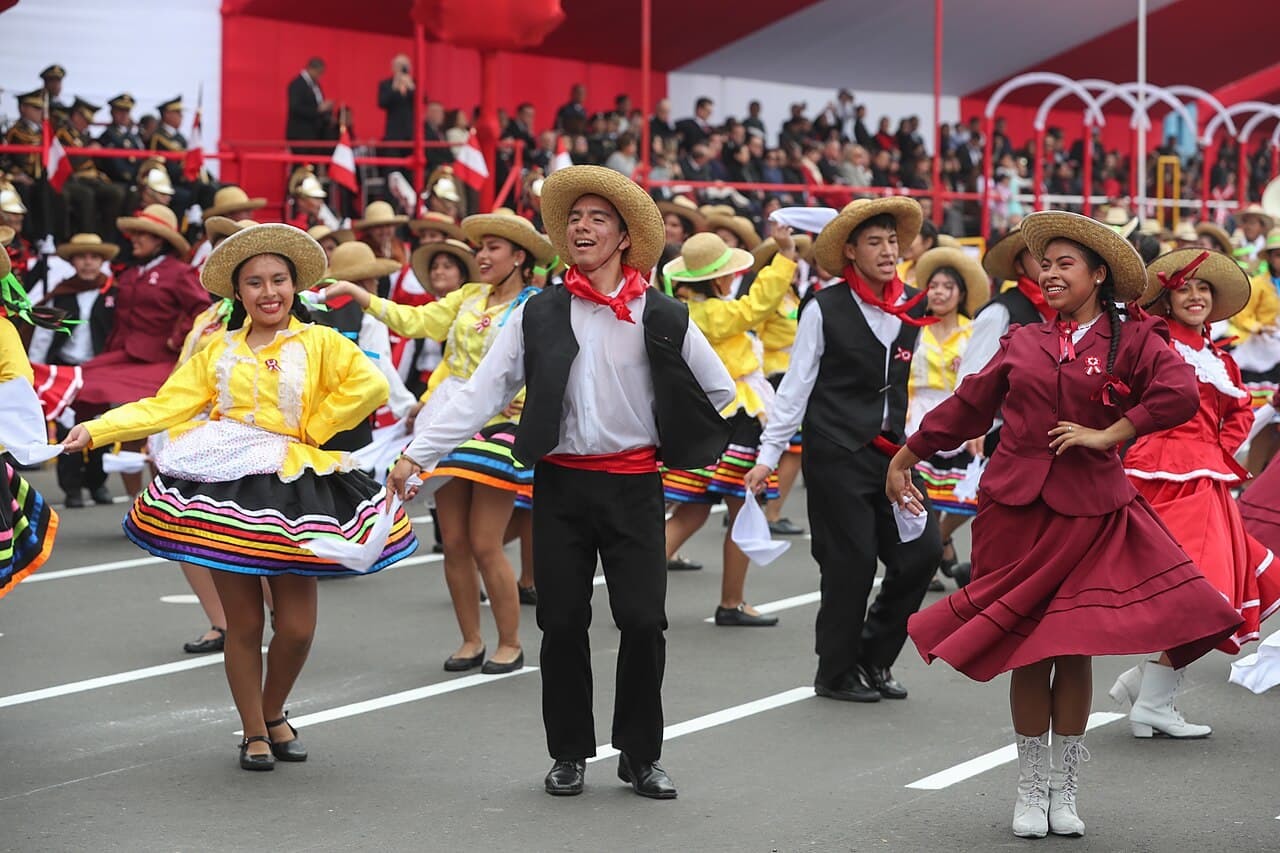
August 15 is the most important date in the Arequipeño calendar. The city celebrates the anniversary of its founding with a full week of events: concerts on the Plaza de Armas, artisan and food fairs, school and military parades, cultural presentations, and — at midnight on the 14th to 15th — fireworks that illuminate El Misti. The city decorates in red and white (Arequipa's colors), shops and restaurants fill up, and Arequipeños living in other cities return to celebrate. It is the week when Arequipeña identity is expressed most openly and intensely.
Day of the Dead (November 2)
On November 2, the Day of the Dead, Arequipeño families visit the city's cemeteries with elaborate flowers — gladioli, carnations, crowns of artificial flowers — to decorate the graves of their relatives. The cemeteries transform into improvised markets where vendors sell flowers, candles, food, and drink. The tradition of puchero — a meat and vegetable stew — is the food associated with this day. Families spend hours in the cemetery, eating and talking around the graves. It is an expression of collective mourning that feels more like celebration than sadness.
Local music and dance
The wititi is the traditional dance of the Colca Valley and the Arequipa region. Recognized by UNESCO as Intangible Cultural Heritage of Humanity in 2015, the wititi is a courtship dance in which men dress in women's clothing to approach them covertly. It is a joyful, colorful, humor-filled dance performed at festivities and weddings. The yaraví, on the other hand, is the most characteristic musical genre of Arequipa: a melancholy Andean-Spanish song that expresses love, loss, and nostalgia. The Arequipeño yaraví is unlike any other: darker, more intimate, more associated with local identity.
Anniversary
August 15
Holy Week
March/April
Day of the Dead
November 2
Wititi
UNESCO, 2015
The most festive night of the year
If you visit in August, arrive at least on the 14th — the night of the 14th to the 15th is the most festive, with fireworks on the Plaza de Armas at the stroke of midnight.