The Picantería Is Not Just a Restaurant: It Is an Institution
In Arequipa, lunch at a picantería is not a meal — it is a three-hour ritual with chicha, appetizers, a starter, main course, dessert, and conversation. Here is how to experience it like a local.
I arrived at Picantería La Lucila in Sachaca at 12:30 in the afternoon, which in picantería terms is almost late. The large corner table was already occupied by what appeared to be an extended family gathering — grandparents, parents, children, in-laws — with three jugs of chicha de guiñapo on the table and a platter of cuy chactado in the center. Nobody was in a hurry. Nobody was looking at a phone.
That is the first thing you need to understand about Arequipa's picanterías: time works differently inside them.
A four-century history
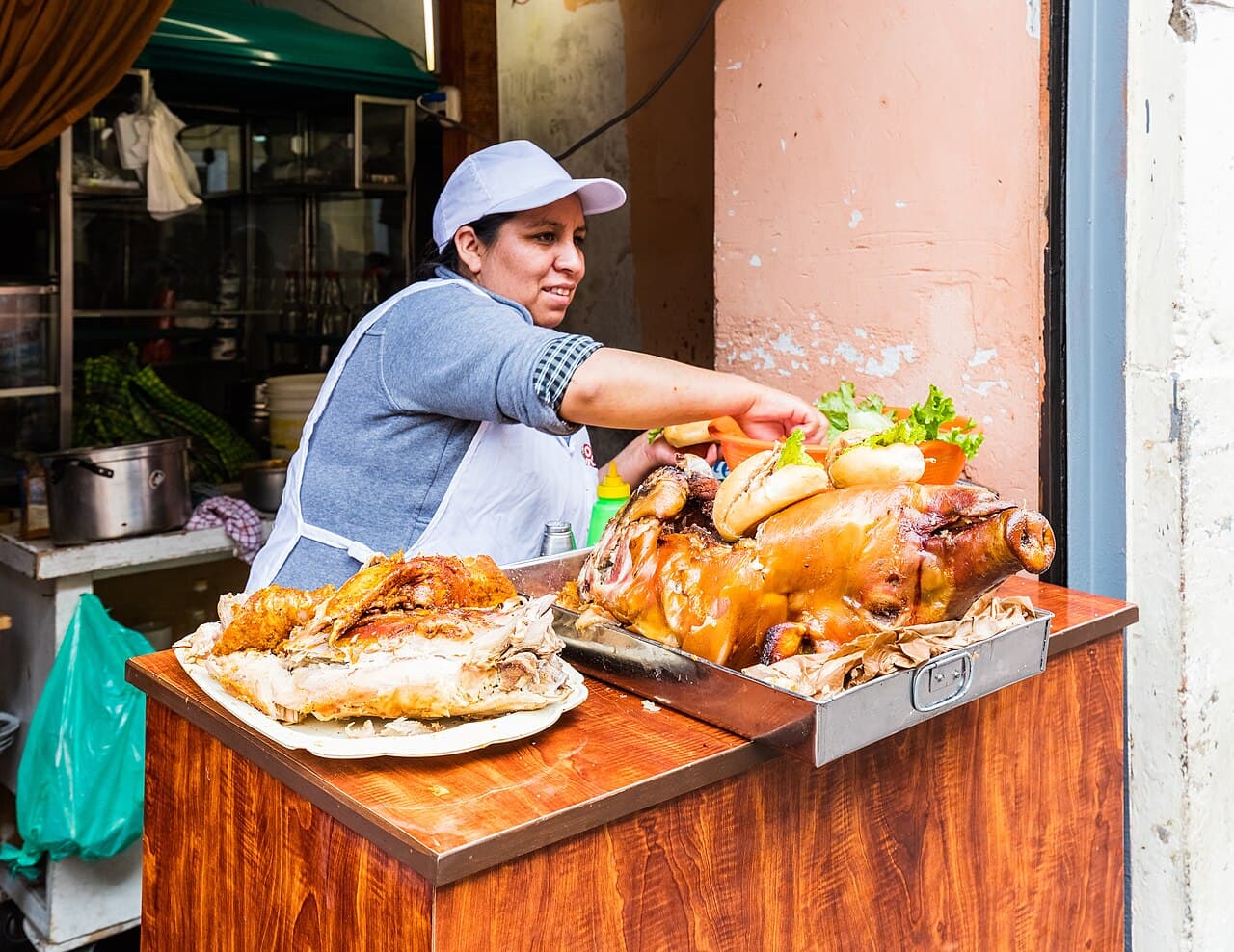
Arequipa's picanterías predate restaurants as a concept. They were born in the 17th century when mestizo women began selling food and chicha from their courtyards. The name comes from "picante" — the chile pepper — which was the distinguishing ingredient of their cooking. For centuries they were the only space where all social classes mingled: landowners, muleteers, craftsmen.
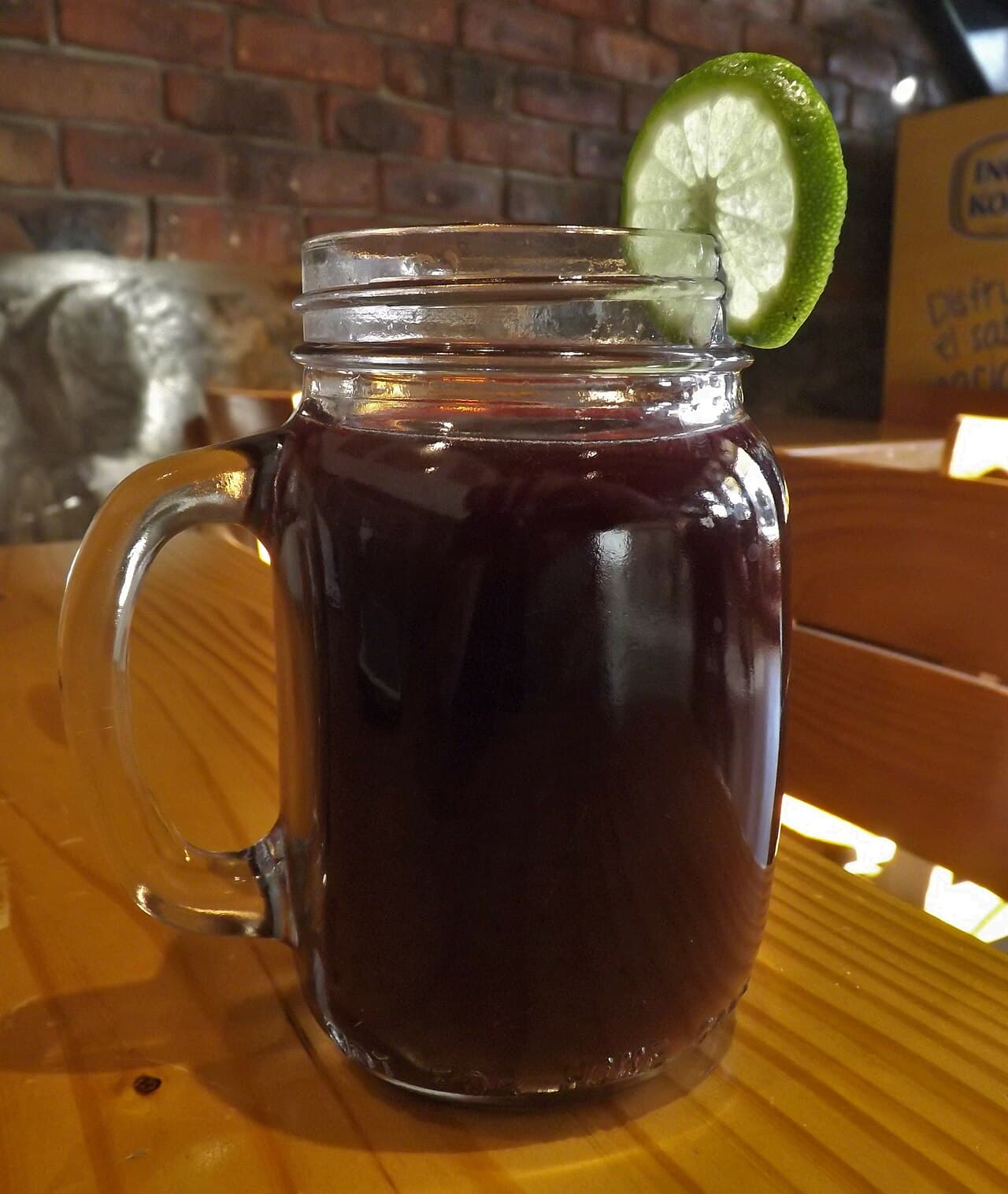
Today they are recognized as National Cultural Heritage (2009) and their recipes continue to be guarded by cooks who learned from their mothers who learned from theirs. Chicha de guiñapo — made from germinated black corn — is still prepared in exactly the same way as 400 years ago.
At a picantería you do not eat dishes — you eat episodes. And the conversation is part of the menu.
The picantero lunch ritual
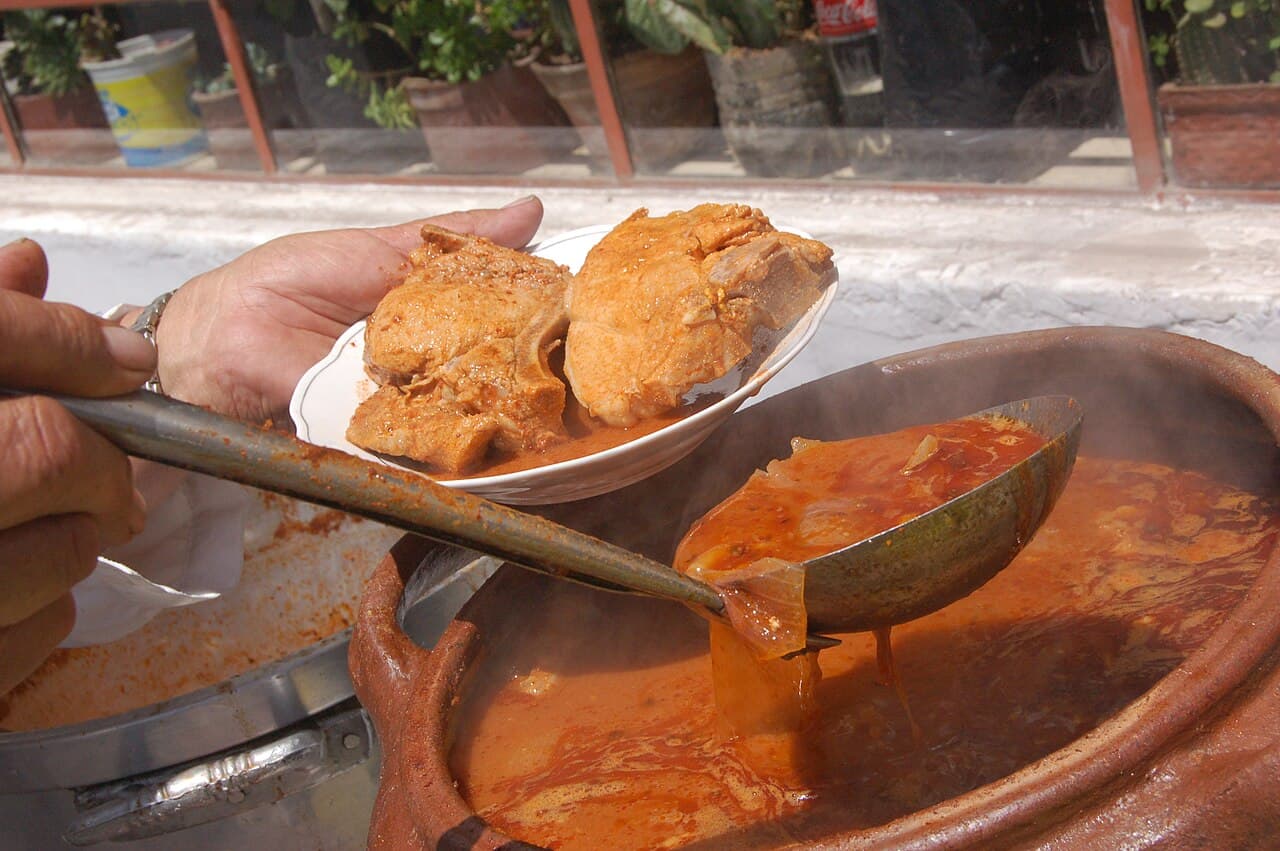
The traditional format goes like this: you arrive, you are seated, the chicha arrives (or agua de tiempo if you do not drink alcohol). Then come the "picanterías" — the appetizers: ocopa with shrimp, corn ceviche, fried cheese with cane honey. Then the starter: zarza de patitas, solterito de queso. Then the main: adobo, shrimp chupe, stuffed rocoto pepper, or cuy chactado. And to close, Arequipa's queso helado with chancaca honey.
Many picanterías have no written menu. The cook tells you what is available that day. If you do not recognize a dish, ask — they will explain it with the pride of someone sharing something that belongs to them.
The best picanterías of Greater Arequipa
La Lucila (Sachaca) is the most famous and deserves the reputation. La Nueva Palomino (Vallecito) is where chefs go on their day off. El Tío Darío (Cayma) is smaller, more humble, and has the best adobo in the region. For a longer trip, Cosas Ricas (Tiabaya) opens only Fridays and Saturdays, and the shrimp chupe is worth any journey.
Did you enjoy this story?
Share it with someone who loves Arequipa.
Have your own Arequipa story?
Submit an article →