Sunday Adobo: The Late Breakfast That Defines Arequipa
In Arequipa, Sunday does not begin with an alarm clock but with the smell of adobo. Pork marinated in chicha de guiñapo and slow-cooked overnight in a clay pot is the most important late breakfast of the week in the White City — and the picanterías that serve it open their doors before eight in the morning.
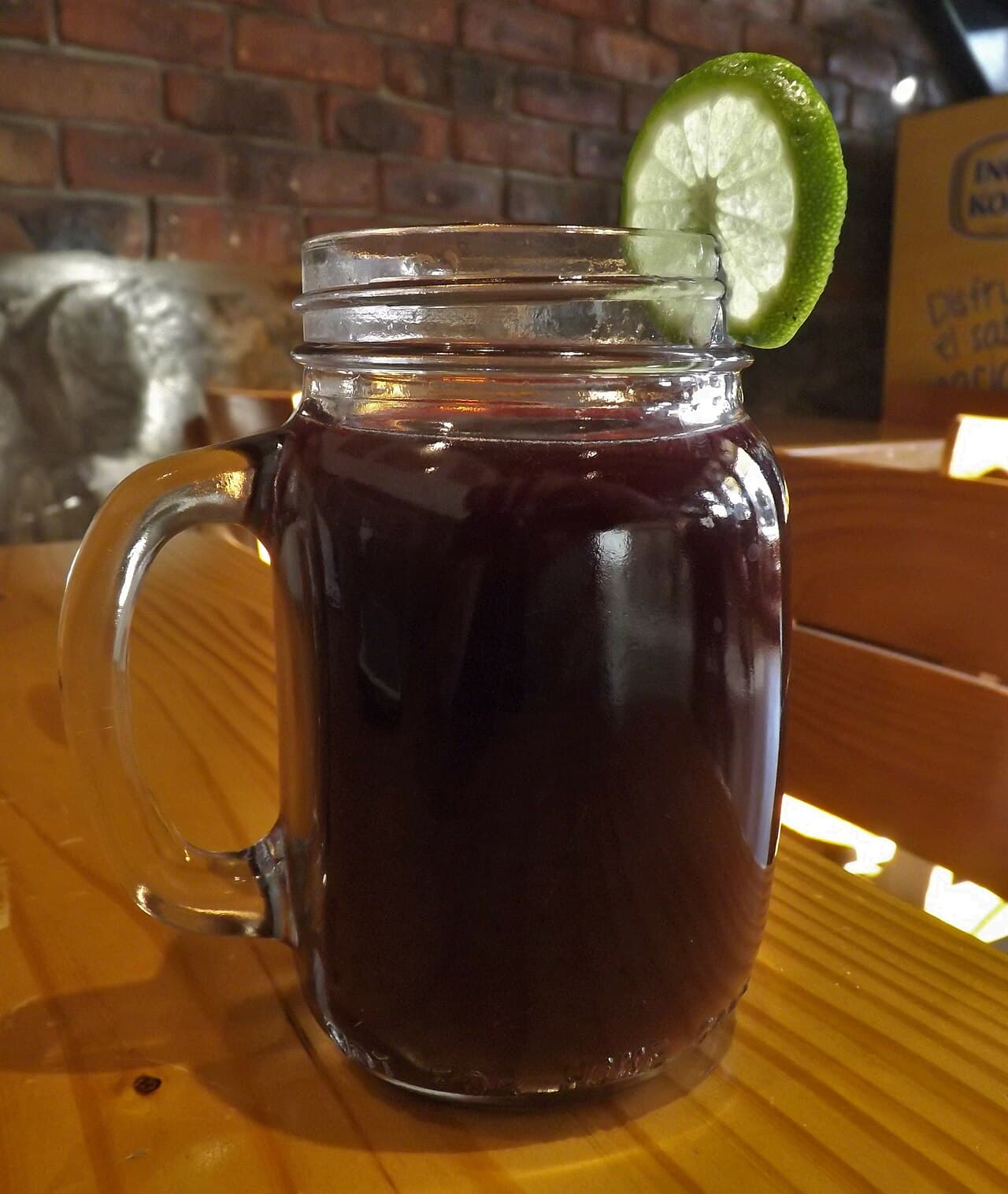
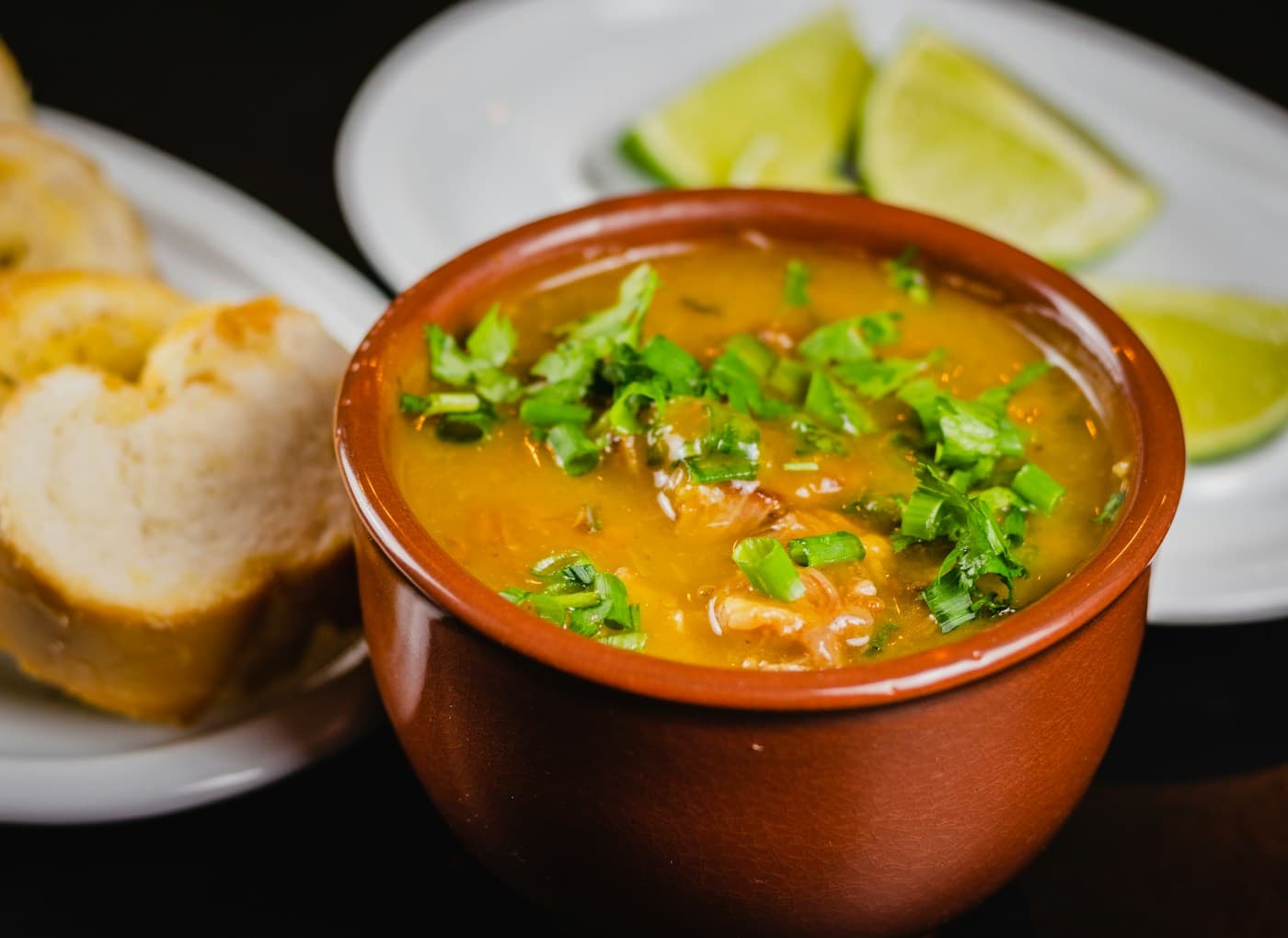
In Arequipa, Sunday has its own opening ritual. It does not begin with an alarm clock or with the newspaper, but with a phone call to the picantería to confirm there is still adobo left and to reserve a table before ten in the morning. Sunday adobo is the most important late breakfast of the week in the White City: pork marinated overnight in chicha de guiñapo — the fermented corn beer most characteristic of the region — along with dried ají panca, ground ají colorado, white vinegar, garlic, cumin, and clove. It arrives at the table in the same clay pot it was cooked in, steaming with the smell of spices and chicha, and a dark red broth that betrays hours of slow fire.
The recipe cooked at night to be served in the morning
Picantería adobo is never cooked to order. The picantera — the woman who runs the kitchen — begins preparation on Saturday afternoon. The pork, typically shoulder or ribs cut into generous pieces, is submerged in a marinade of chicha de guiñapo, soaked and blended ají panca, white vinegar, ground garlic, whole cumin, clove, and dried Arequipa oregano. In picanterías that honor the traditional recipe, this maceration lasts at least eight hours. At four or five on Sunday morning, the marinated pork goes into the clay pot over a low fire and does not leave it until the first customers arrive. By the time you sit down, the pork has been cooking for six to eight hours and falls off the bone with a gentle push of the spoon.
The clay pot is not a folkloric detail — it is a technical part of the preparation. Its porous walls absorb and redistribute heat in a way that aluminum or steel cannot replicate, and they release a subtle mineral note into the broth that forms part of the dish's final flavor. Many picanterías that modernized their kitchens for practical reasons kept their clay pots specifically for the adobo, because regular customers immediately notice the difference when the dish is cooked in any other vessel. A good adobo should have a dark broth that coats the back of a spoon, pieces of pork that fall apart without completely disintegrating, and a heat level that comes from the ají rather than from condiments added after cooking.
Sunday adobo is not a dish. It is Arequipa's most convincing argument for making you stay an extra week.
Where to eat the best Sunday adobo in Arequipa
La Lucila de Sachaca (Av. Sepúlveda 100, Sachaca, open Sundays from 8:00 a.m.) is the most cited picantería among neighborhood Arequipeños for Sunday adobo. A full portion — the clay pot, two pieces of chuta bread, and pickled onion with rocoto pepper — costs S/ 22. La Nueva Palomino (Calle Palomino 122, Vallecito) has the largest courtyard and serves the adobo with a more refined presentation, but its recipe has not changed in decades and the dining room fills with local families from 9:30 a.m. onward. For those who want to save without sacrificing quality, El Tío Darío in Cayma (Av. Cayma 312) charges S/ 18 for a generous portion and has the most intimate dining room of the three, with a feeling close to eating in someone's home.
The complete ritual: chuta, chicha, and queso helado
Arequipa's adobo is inseparable from chuta, the triangular bread baked in wood-fired clay ovens in the bakeries of Characato and Sachaca. Good chuta has a crunchy crust and a dense, slightly sweet crumb, perfect for absorbing the adobo broth without falling apart. Most picanterías charge S/ 1 per piece and will bring another if you ask. The complete Sunday ritual is: adobo, chuta, a glass of chicha de guiñapo at room temperature — the natural pairing, between S/ 3 and S/ 5 — and a queso helado to finish. Do not arrive after 11:30 a.m. if you want a guaranteed table. The regulars arrive at 9:00, order the adobo with a chicha, and stay for two hours. By 11:30 the wait can be thirty to forty minutes.
What makes Sunday adobo different from any other meal during the week is not just the dish itself but the context in which it is eaten. The table that starts at nine and ends at eleven-thirty, the noise of Arequipeño families filling the picantería courtyard, the queso helado that arrives at the end without being ordered — all of that is part of what you are eating. Sunday adobo in Arequipa is, above all, a way of spending time without rushing, and that is harder to export than any recipe.
Did you enjoy this story?
Share it with someone who loves Arequipa.
Have your own Arequipa story?
Submit an article →