Arequipa's Adobo: The Sunday Dish That Needs No Recipe, Only Tradition
Discover the soul of Arequipa's Sunday with Adobo, a dish that transcends the culinary to become a celebration of identity. Don't look for a strict recipe; here we tell you why this pork stew marinated in chicha is much more than its ingredients.
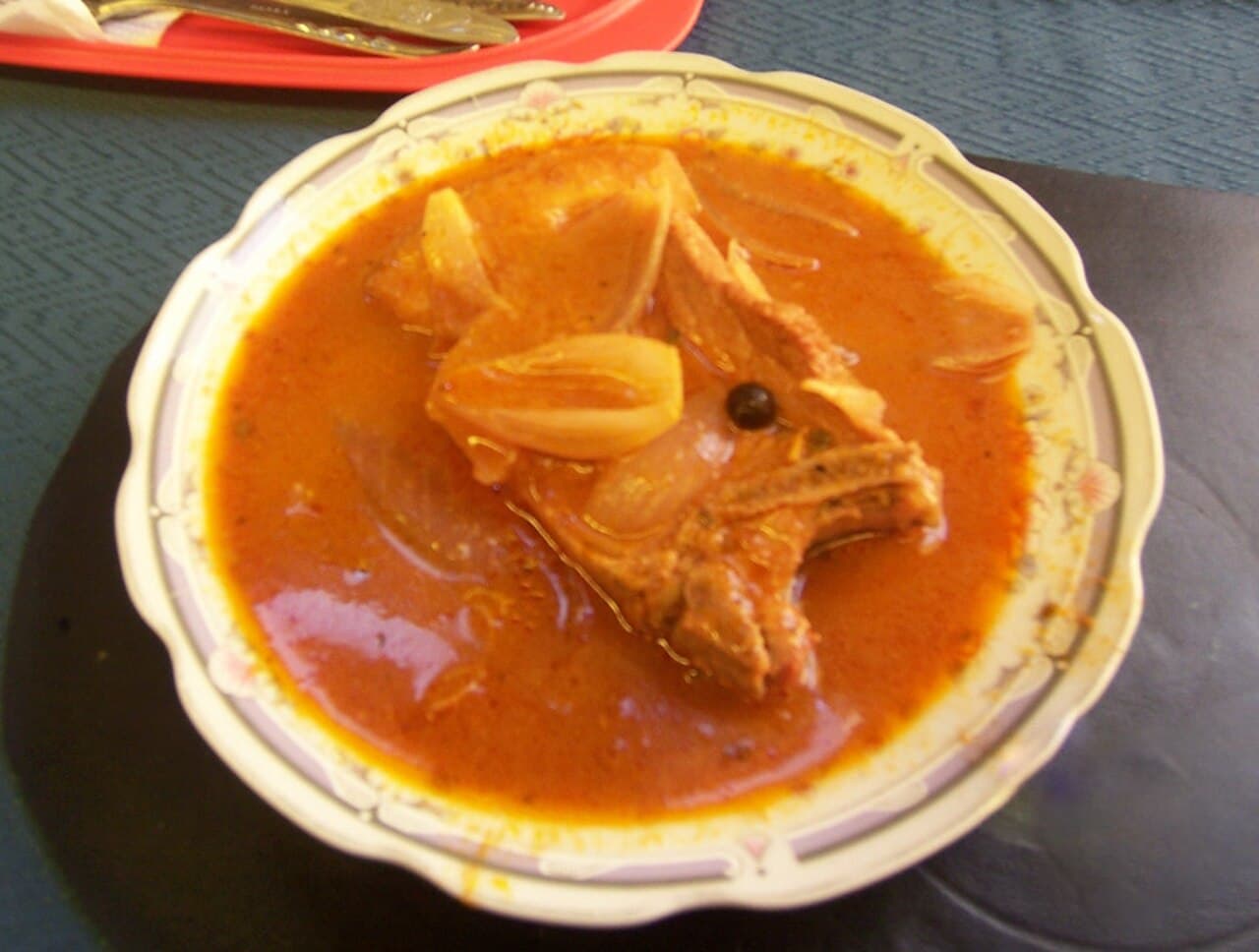
In Arequipa, Sundays are not just defined by rest, but by an unmistakable aroma that wafts through every corner of the white city: that of Adobo. This dish, an emblem of our gastronomy, is much more than a simple pork stew; it is a deeply rooted tradition, a ritual that unites families and friends around the table, a living testimony of our culture. While many seek a detailed recipe, the truth is that authentic Arequipa Adobo is cooked with heart and memory, not with exact measurements.
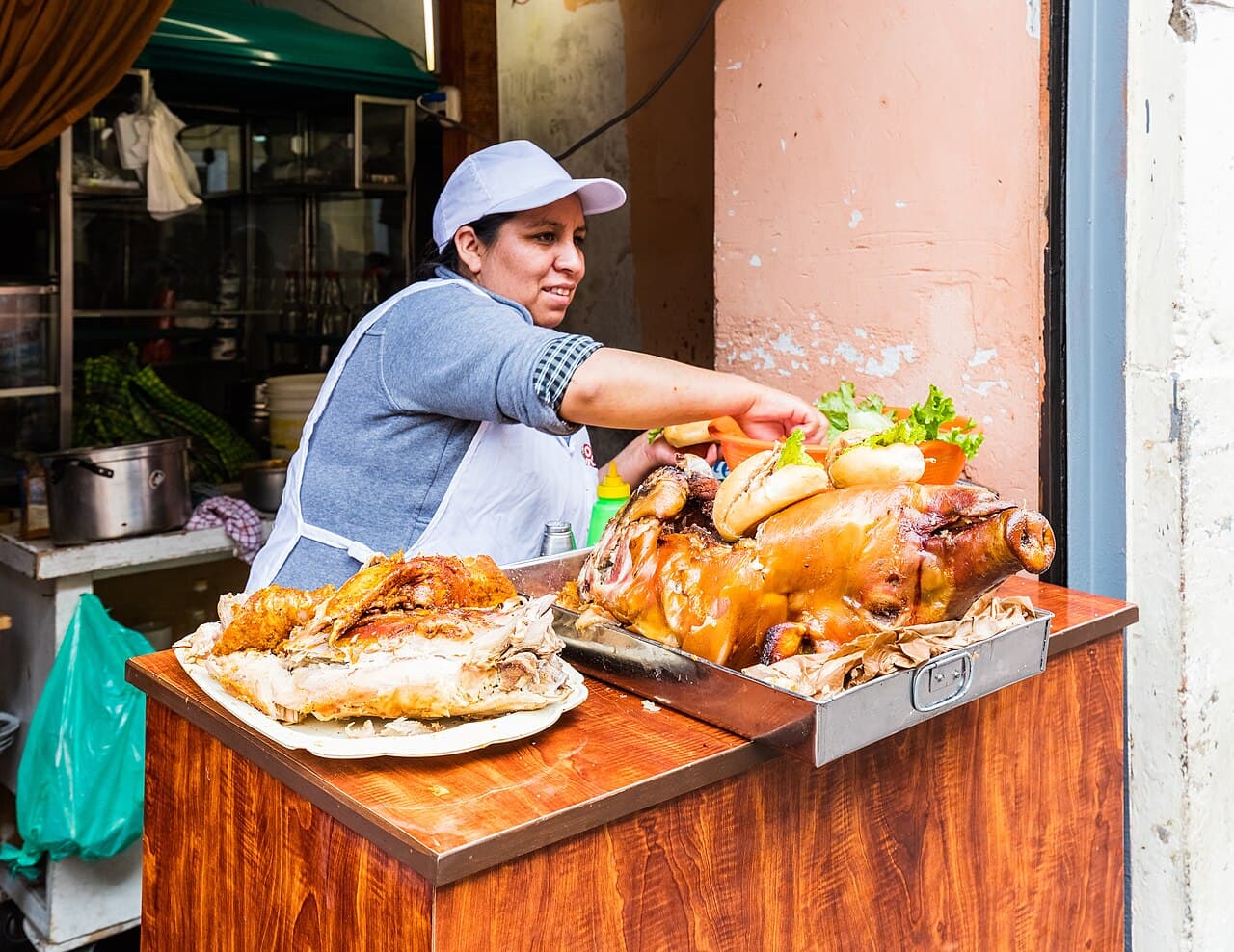
Imagine the setting: the freshness of a Sunday morning, the mist still clinging to the slopes of Misti, and the slow bubbling in clay pots that promise a feast. The star ingredient, pork, is marinated overnight in a mixture that is the open secret of every home: aji colorado, aji panca, garlic, cumin, and, crucially, chicha de jora. This ancestral fermentation not only tenderizes the meat but also gives it that deep, acidic flavor that distinguishes it from any other adobo in the world. The preparation is an act of patience and love, where the ingredients slowly meld, creating a symphony of flavors that is pure Arequipa.
The Magic of Chicha and the Absence of Strict Recipes
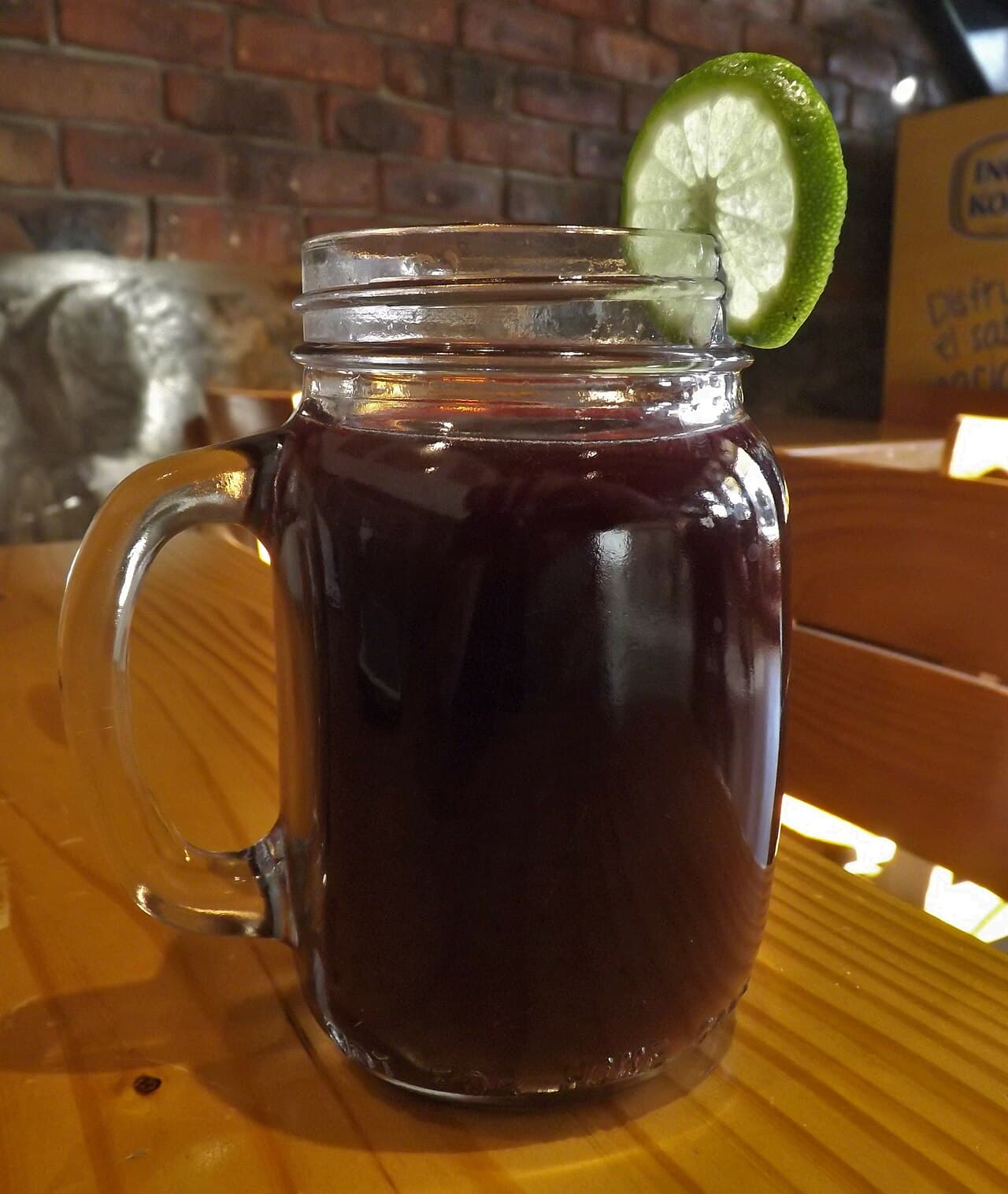
Chicha de jora is the soul of Adobo. It's not just a drink; it's a fundamental element that gives it its unique character. Its natural acidity breaks down the meat fibers and enhances the flavors of the aji peppers, resulting in a tender texture that melts in your mouth. In each home, the proportion of chicha varies, adapting to family taste, the potency of the aji, and the experience of the cook. That's why there's no universal 'perfect recipe'; each Adobo is a universe in itself, a reflection of the hand that prepares it. Picanterias, temples of our gastronomy, are the best example of this diversity, where each establishment offers its own masterful interpretation of the dish.
Arequipa's Adobo isn't written, it's felt. It's the taste of Sunday, the embrace of family, and the soul of our land in every bite.
Traditionally served with 'pan de tres puntas' (three-pointed bread), Adobo is the quintessential Sunday breakfast or lunch. The spiced sauce, the juicy pieces of meat, and that bittersweet touch that invites you to dip your bread again and again, are an incomparable sensory experience. And to accompany it, what better than a glass of the same chicha de jora, to complete the circle of flavors and traditions.
Adobo: More Than a Dish, a Social Experience
Adobo isn't just food; it's the perfect excuse for a gathering. Picanterias open their doors early, filling with families and groups of friends looking to start Sunday with this delicacy. The atmosphere is festive, lively, and full of life, with animated conversations and laughter echoing through the walls. It is in these spaces where Arequipa's gastronomy is experienced in its fullest expression, where flavor meets camaraderie and culture is palpable in every detail. It's a dish that is shared, discussed, and enjoyed with all senses.
So, next time you find yourself in Arequipa on a Sunday, don't look for a recipe. Look for the aroma, let yourself be guided by tradition, and immerse yourself in the experience of Arequipa's Adobo. It's a culinary journey that will connect you with the heart of our land, a dish that will show you that the best gastronomy isn't always in books, but in memory, in legacy, and in the passion of those who keep it alive. Enjoy your meal!
Did you enjoy this story?
Share it with someone who loves Arequipa.
Have your own Arequipa story?
Submit an article →