August in Arequipa: What Changed and What Stayed the Same
Arequipa's anniversary no longer fits into a single day. Where there was once a mass, a parade and the Cerro Juli fair, there is now a whole month of corso, international dance and high season. Here is what the celebration gained, what it lost along the way and what remains exactly as it was fifty years ago.
If you arrive in Arequipa in August and ask about the festivities, hardly anyone will tell you about a single day. They will tell you about the corso, the dances, the serenata, the mass at the Cathedral, and only at the end about August 15, the founding date. That way of describing the month says something important: the celebration grew, stretched out and changed shape. Older Arequipeños remember an August quite different from the one a visitor sees today.
When the Celebration Fit Into a Single Day
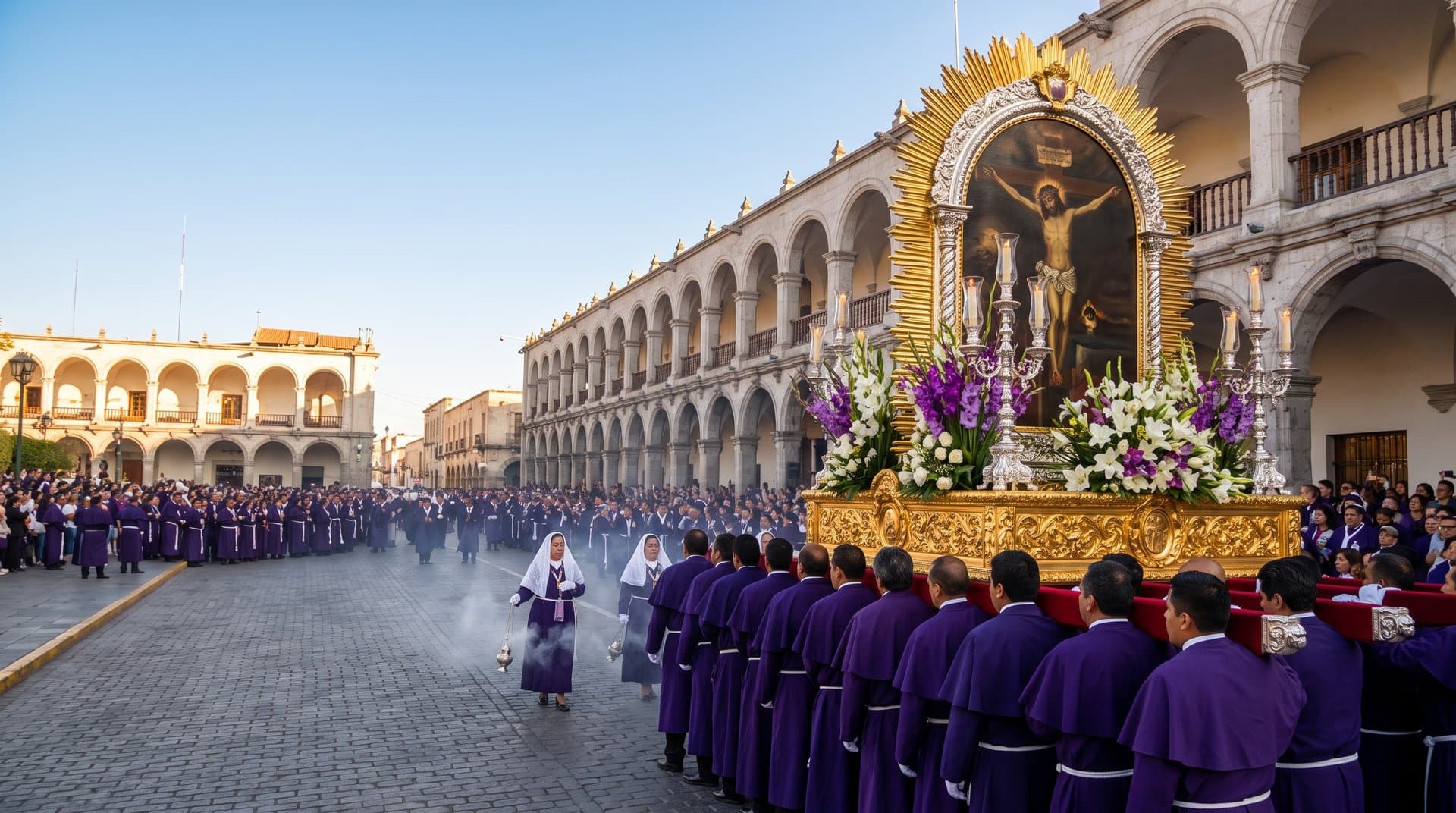
Arequipa was founded on August 15, 1540, and for a long time the anniversary looked more like a civic date than a festival. The structure was short and predictable: the serenata on the night of the 14th, the solemn mass at the Basilica Cathedral on the morning of the 15th, the parade through the centre and the long lunch at home or at the neighbourhood picantería. Anyone who did not live near the historic centre followed the celebration from a distance, on the radio or through the fireworks that could be heard from any point in the city.
The other great event of the month did not happen on the plaza but at the Cerro Juli fairground. The August fair was the family outing of the year: pavilions of agricultural and industrial machinery, livestock, crafts, food and fairground rides, all on the same ground, with tickets bought to spend the entire afternoon. For several generations of Arequipeños, August is remembered through the smell of that fair, not through an avenue packed with dance troupes.
The celebration no longer fits into one day or one plaza, but it still begins at the same family table.
What Changed
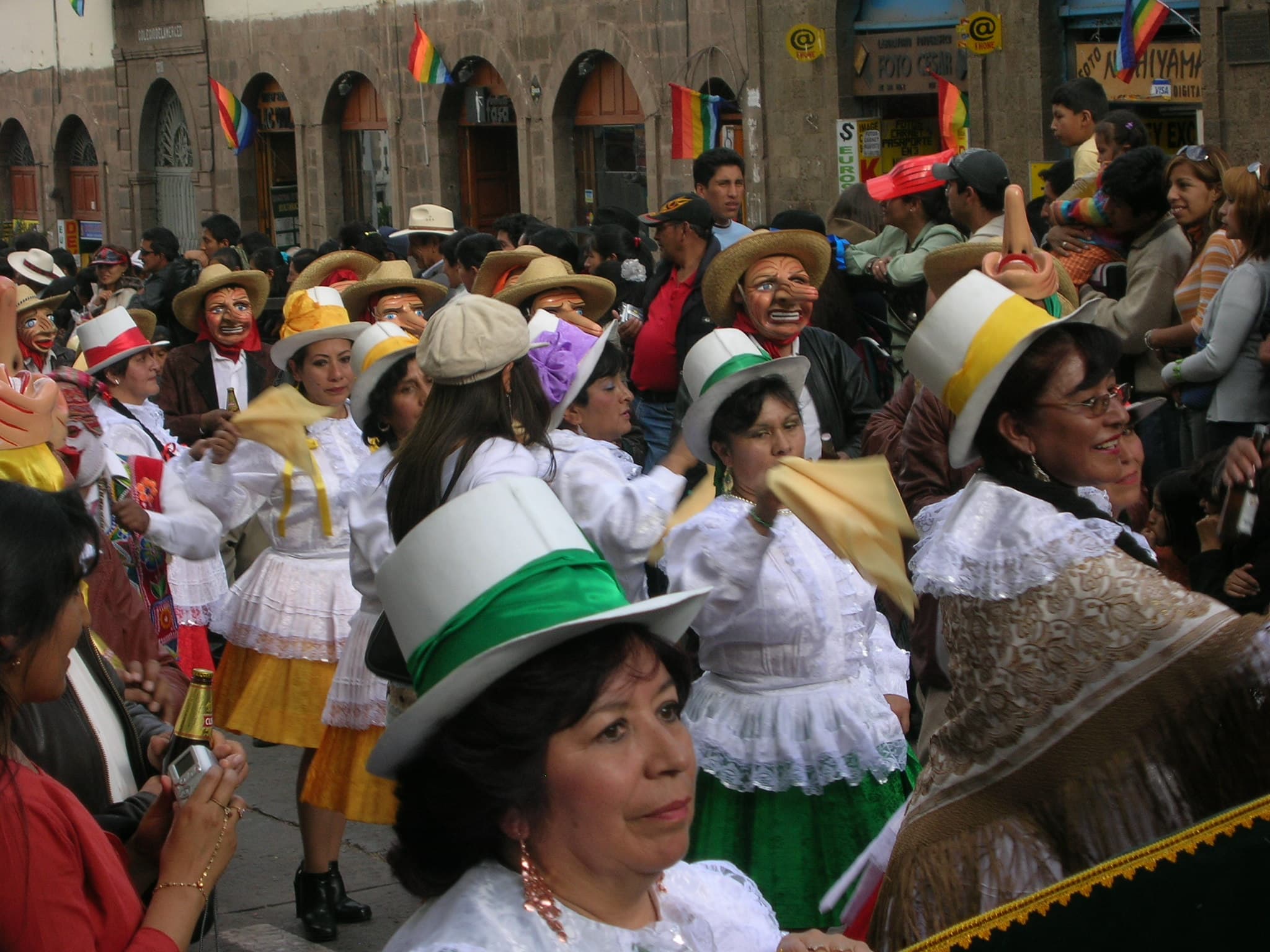
Today the month is organised around mass street events. The Corso de la Amistad has become the most crowded act of the anniversary, and it runs along wide avenues such as Independencia and Dolores because the historic centre can no longer hold the number of delegations or of spectators. Festidanza added an international dimension that did not exist before, with companies from other countries and performances that fill venues for several days. And tourism changed the equation: August is high season, hotels in the centre are booked weeks ahead and prices rise.
There is also an absence. The Cerro Juli fair, which was the centre of gravity of the Arequipeño August, stopped being held with the regularity and the scale it once had, and its place on the calendar was left empty. It is the change most often mentioned by Arequipeños over forty when you ask them what they miss about the month. If you are coming in search of that fair, it is worth confirming that it is taking place before planning your trip around it.
What Has Not Changed
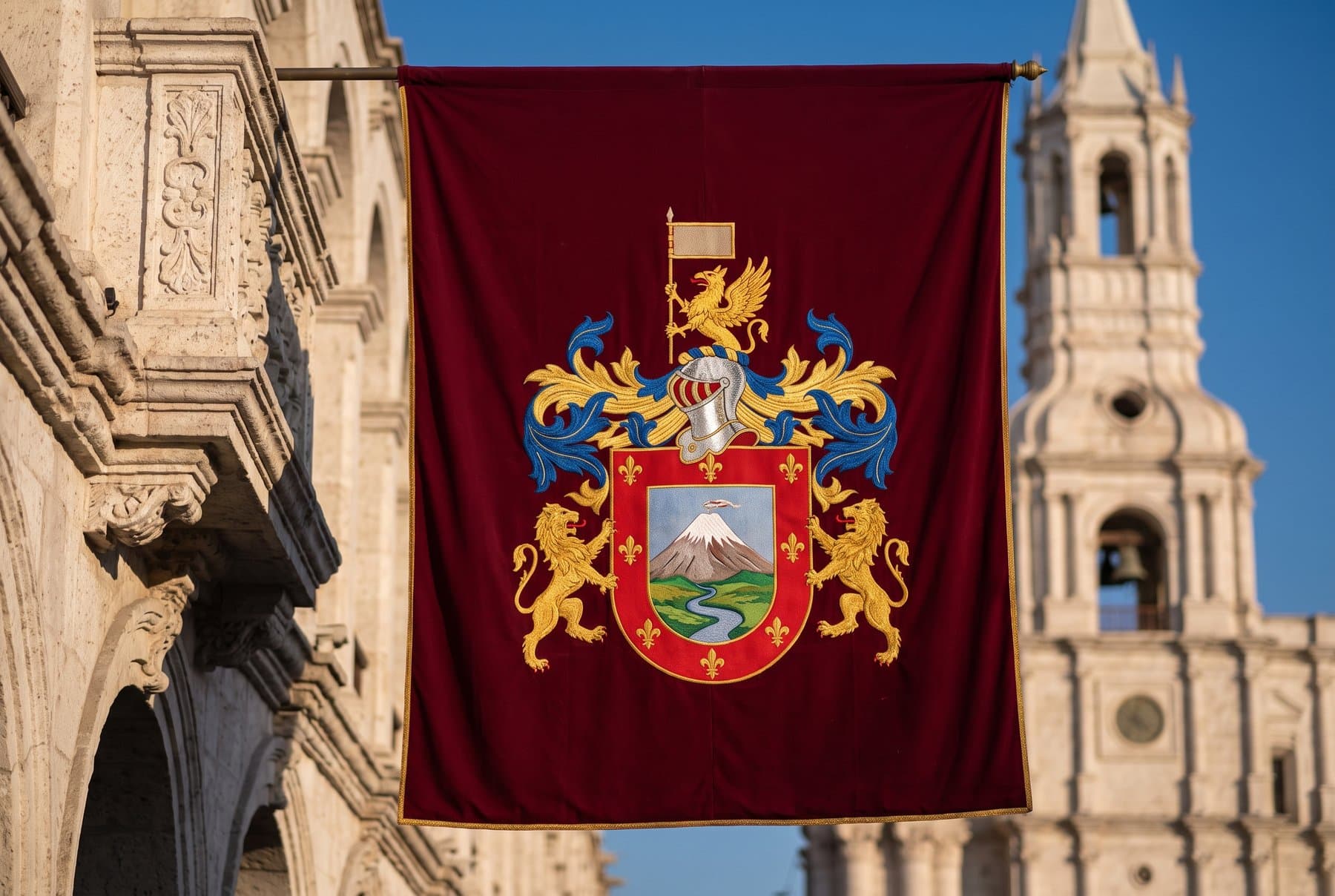
Beneath everything new, the most important part of the month remains intact, and it is domestic. On August 15 the city stops, the family gathers and the table rules: caldo blanco, adobo, rocoto relleno and queso helado, at the usual picantería or at the grandmother's house, with reservations made weeks in advance. Misti is still there at the back of every photograph, the regional pride that Arequipeños themselves turn into a joke and an identity at the same time is still there, and so is the custom that nobody arrives late to their own party. The wrapping of the anniversary changed a great deal. The reason for it did not.
Vous avez aimé cette histoire ?
Partagez-la avec quelqu'un qui aime Arequipa.
Vous avez votre propre histoire sur Arequipa ?
Soumettre un article →