Vallecito: Where Arequipa Traded Colonial Sillar for Houses With Gardens
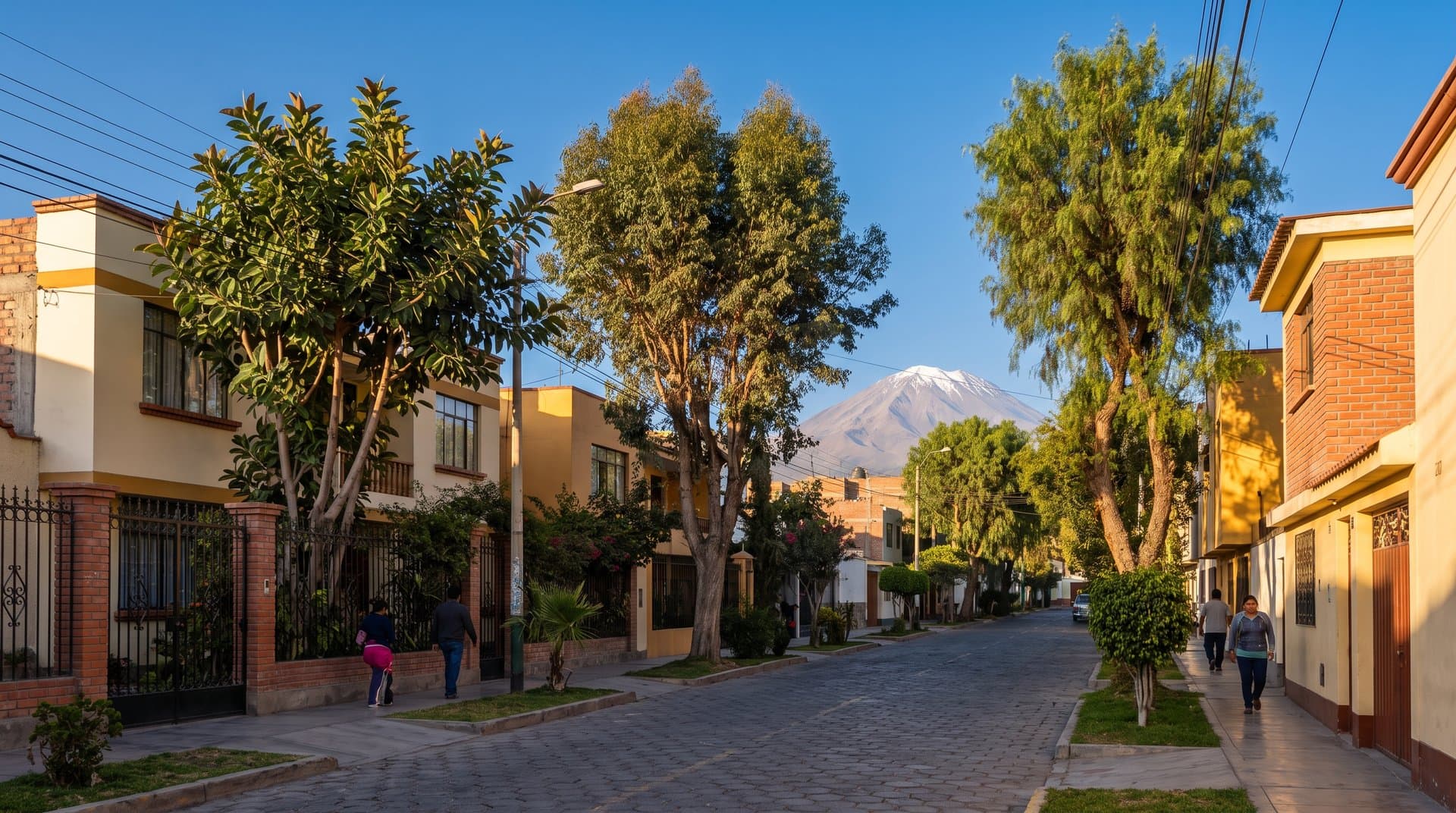
A few blocks from the historic center, narrow sillar streets give way to tree-lined avenues, iron fences, and two-story houses with gardens. Vallecito is the neighborhood that appeared once Arequipa stopped building door to door.
Walking south from the Plaza de Armas, the white sillar streets narrow between colonial balconies and heavy wooden doors, typical of the historic center. Then, crossing Avenida Goyeneche, the landscape shifts: sidewalks widen, tall trees line the blocks, and houses, instead of standing wall to wall, pull back behind iron fences and front gardens. That sudden change of scale is Vallecito.
From the walled city to the garden neighborhood
Arequipa's center was built on a compact colonial grid: square blocks, houses attached to each other, interior courtyards as the only patch of green. That density worked inside the protected historic area, but left little room to grow. As the city expanded through the 20th century, wealthier families began building outside that core, on lots big enough for a front garden, a wrought iron fence, and often a second floor with an open balcony instead of the colonial grille facing the street.
The result is a neighborhood of mixed architecture, with early and mid 20th century republican and eclectic houses standing alongside newer construction. Unlike the carved sillar of the center, here exposed brick, painted stucco, and pitched roofs dominate, a deliberate break from the colonial style that defines the rest of the city.
A neighborhood that today mixes houses, clinics, and schools
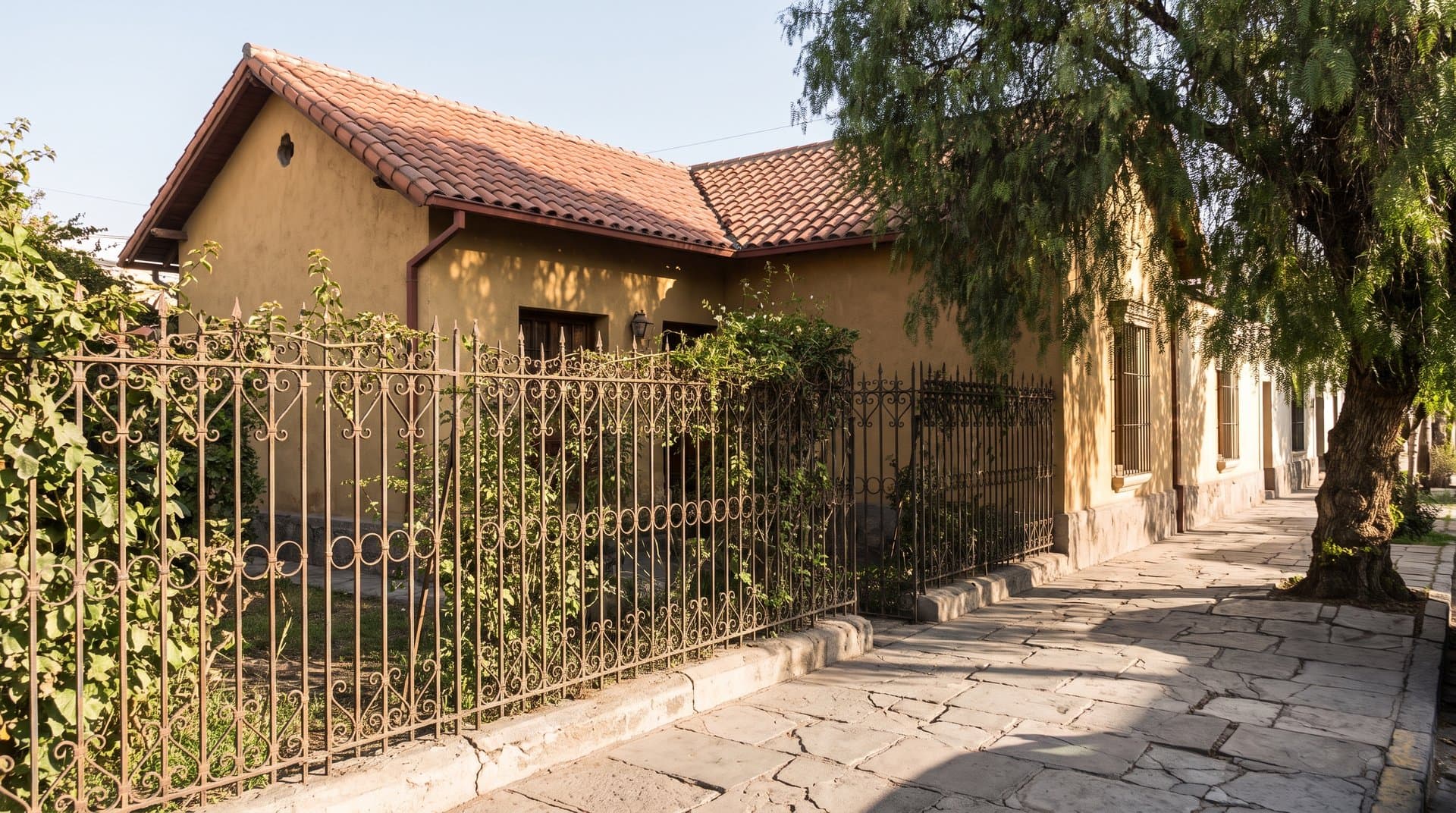
Many of these old houses are still family homes, but others changed use without losing their facade: medical offices, language academies, architecture studios, and the occasional small restaurant now operate out of what used to be the main living room. The street stays quiet, without the combi traffic of downtown or the souvenir shops aimed at tourists; it is, above all, a neighborhood to live in, not one built for a guided visit.
People still greet their neighbors from the gate here, a longtime resident told me while watering her garden. Downtown, that almost never happens anymore.
Vallecito sits about fifteen minutes on foot from the Plaza de Armas, close to the Mariano Melgar stadium and the Umacollo area, so it works well as an afternoon walk: leave the tourist bustle of the center, cross a tree-lined neighborhood with the Misti volcano visible in the distance, and arrive at Umacollo's restaurants and parks without needing a taxi.
この記事はいかがでしたか?
アレキパが好きな人にシェアしてください。
アレキパに関する自分だけの物語がありますか?
記事を投稿する →