The 1868 Earthquake: How Arequipa Rebuilt Itself in White Stone
On August 13, 1868, a massive earthquake off Peru's southern coast brought down half of Arequipa. The city rebuilt itself with the stone that still defines it today: sillar.
Arequipa is called the White City because of sillar, the pale volcanic stone used to build its churches, mansions and downtown streets. Few visitors realize that much of that architecture isn't original colonial work but reconstruction. The reason has an exact date: August 13, 1868.
The ground that opened off the coast
On that day, an earthquake centered offshore near Arica, Peruvian territory at the time, shook the entire southern coast. Modern seismologists rank it among the largest ever recorded in South America, with an estimated magnitude between 8.5 and 9.0. The quake triggered a tsunami that nearly leveled Arica and Iquique, with waves recorded crossing the Pacific and documented effects as far as Hawaii. Thousands died along the coast, most of them from the water, not the shaking itself.
Arequipa, a hundred kilometers inland, fell too
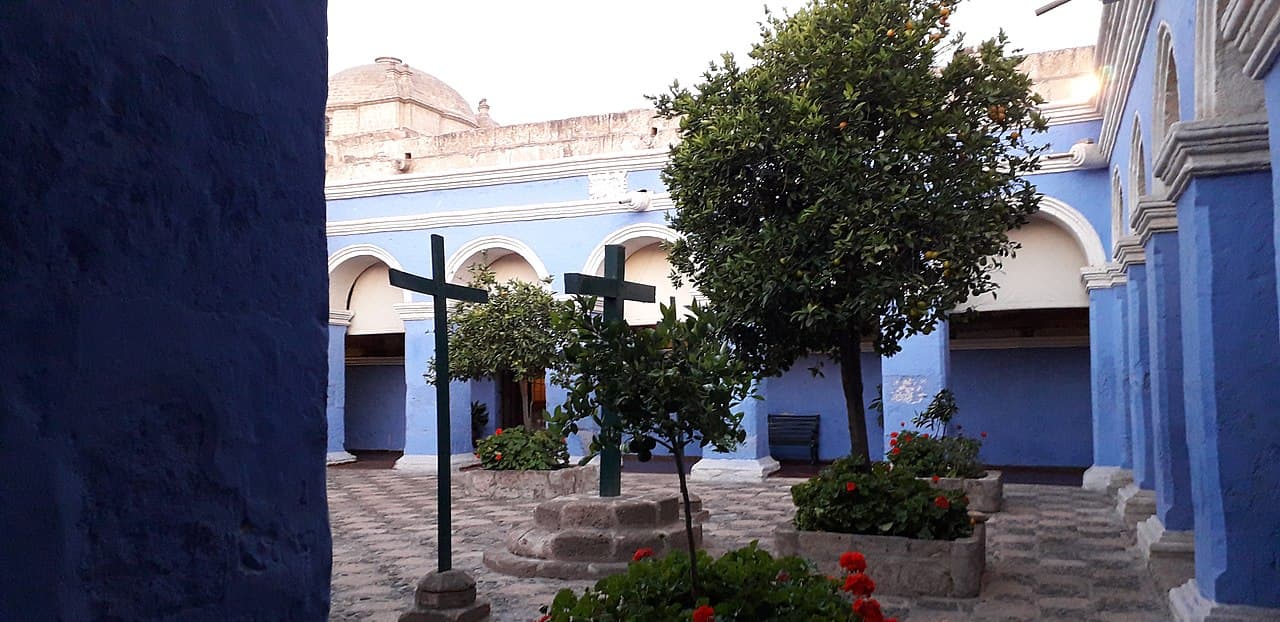
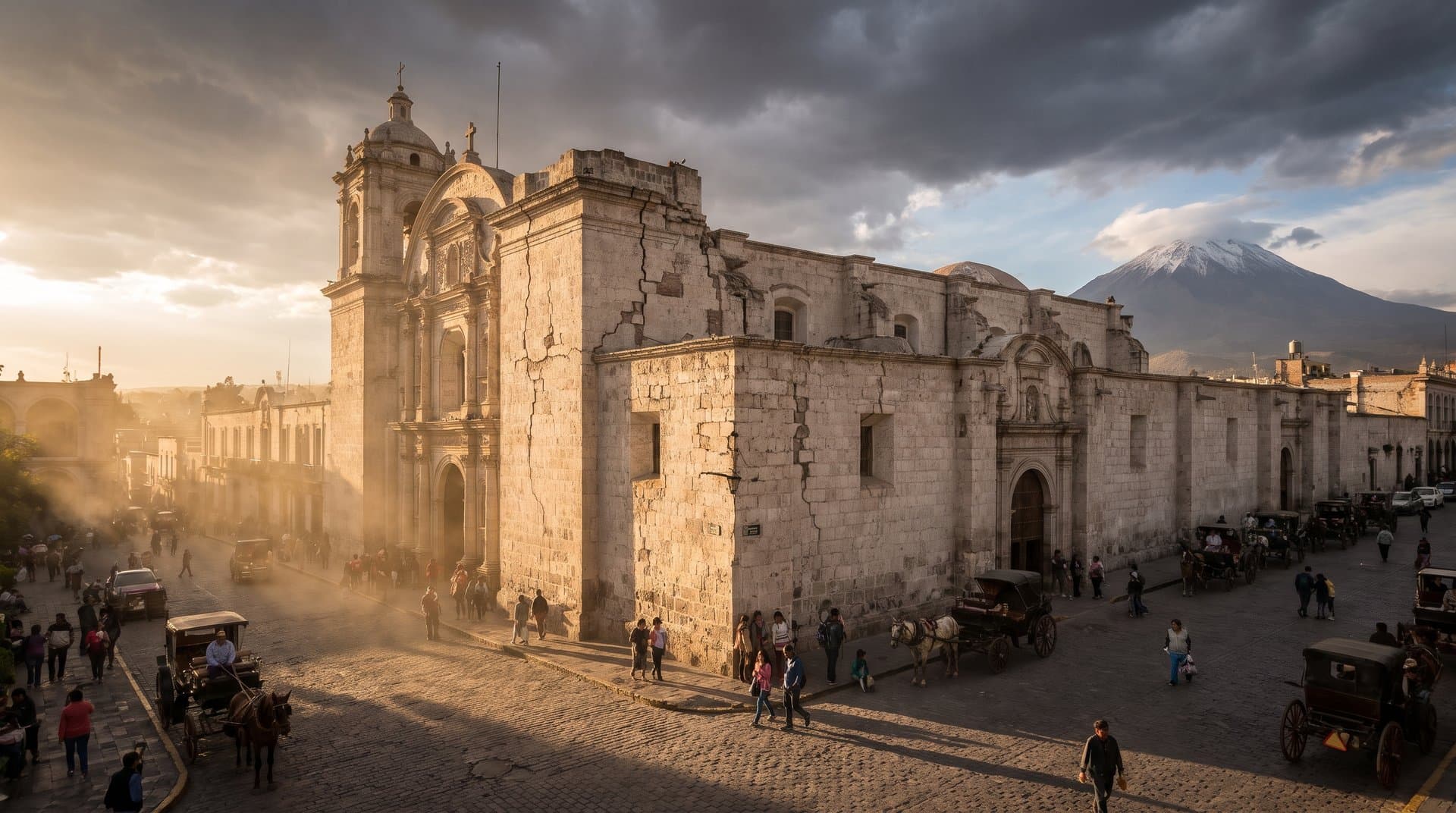
The city sits well inland from the coast, but the shaking arrived nearly as strong. The Cathedral's towers, rebuilt only decades earlier after an earlier earthquake, collapsed again onto the Plaza de Armas. The Santa Catalina and La Recoleta convents, the sillar mansions downtown, and most of the colonial churches were cracked or flattened. Accounts from the period describe the entire city covered in stone dust for days, with aftershocks strong enough to keep residents from returning home.
After 1868, the people of Arequipa didn't switch materials, they perfected the one they already had. Sillar doesn't collapse all at once, it cracks and holds, and that's exactly what the city learned to rely on.
Rebuilding took years. Architect Lucas Poblete redesigned the Cathedral's facade in neo-Renaissance style in the early 1870s, and that is the facade still facing the Plaza de Armas today. The rest of the historic center went up following the same logic: thick sillar walls, vaulted roofs, and as little heavy ornament as possible that could break loose in the next tremor.
Why sillar saved the city
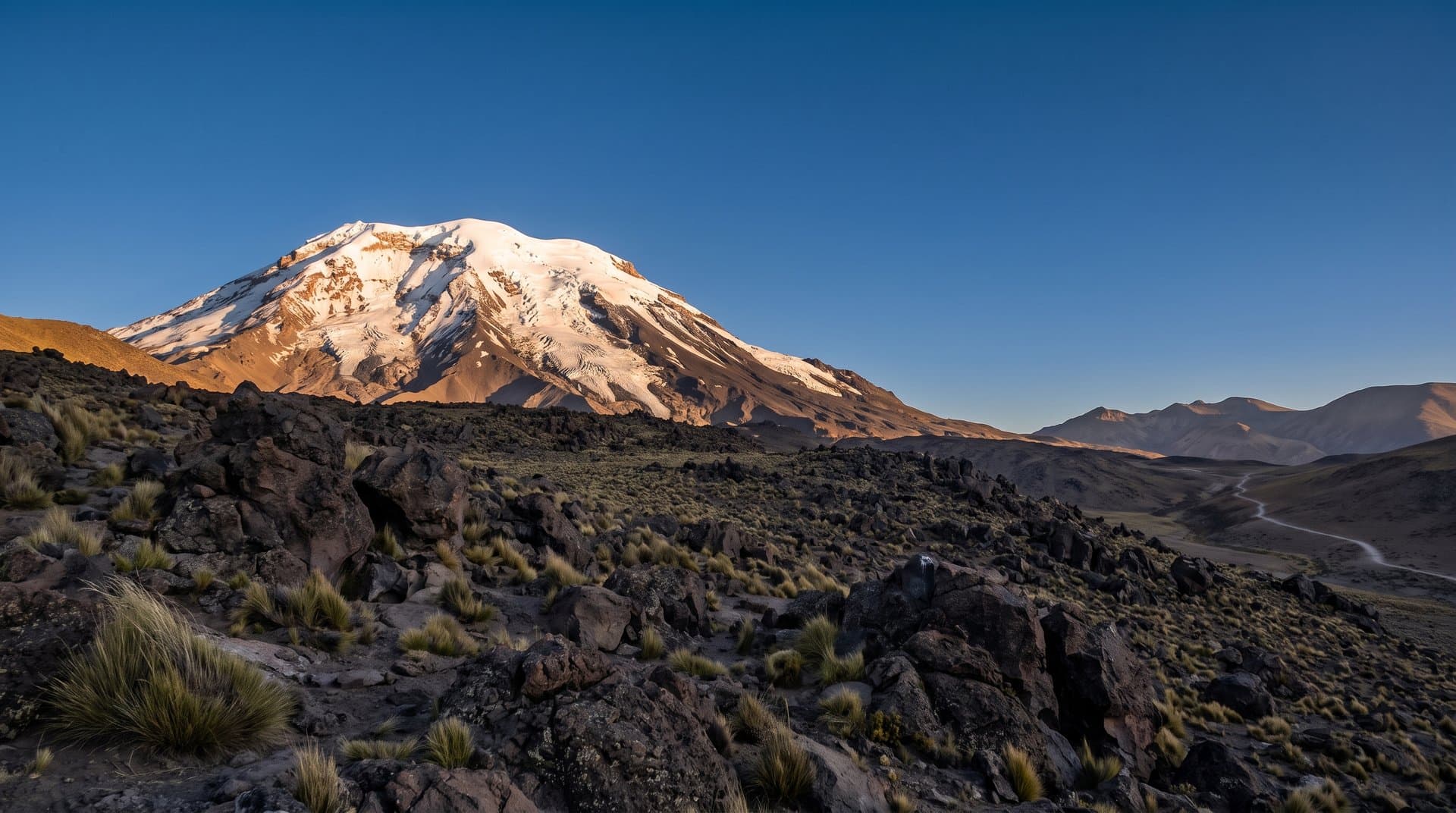
Sillar is a volcanic tuff, ash compacted by ancient eruptions of the Misti and Chachani volcanoes, still quarried today from the Añashuayco pits west of the city. It is porous and far lighter than granite or solid brick, which means less mass falling during a quake. It also cuts easily into regular blocks, so the master builders working after 1868 could rebuild fast without losing the strength the city had just learned it urgently needed.
Arequipa's historic center has been a UNESCO World Heritage Site since 2000, largely because of this sillar architecture that survived and was repeated after 1868. Walking today down Calle Santa Catalina or across the Plaza de Armas means walking, almost always without realizing it, through the Arequipa that rebuilt itself over its own ruins more than 150 years ago.
この記事はいかがでしたか?
アレキパが好きな人にシェアしてください。
アレキパに関する自分だけの物語がありますか?
記事を投稿する →